Acne Scar Treatments - Lasers, Peels & Microneedling Compared
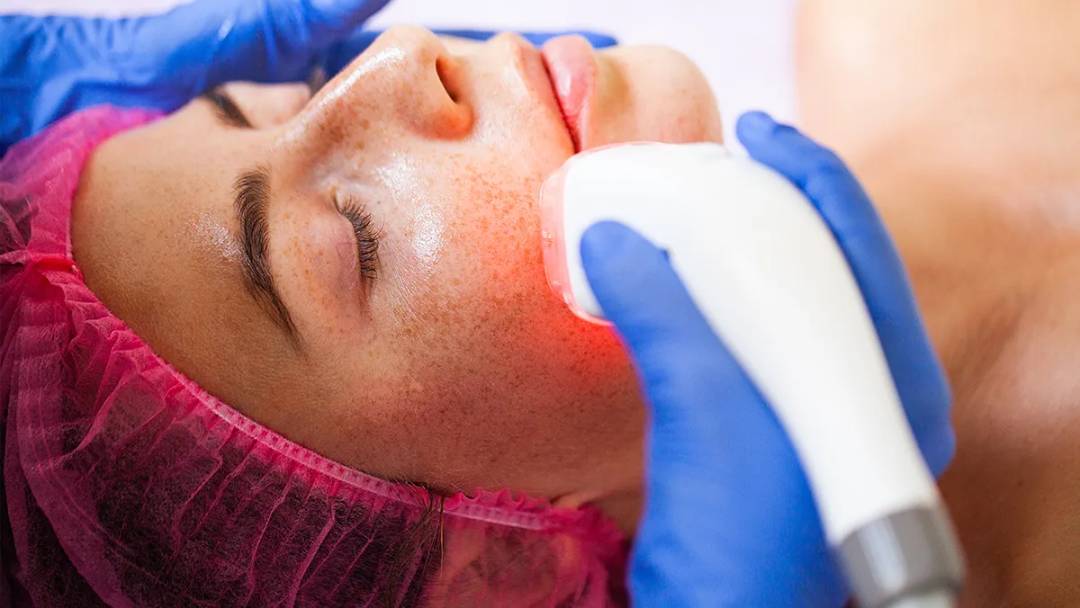
Acne Scar Treatments - Lasers, Peels & Microneedling Compared
Acne scars can persist long after active acne has healed, affecting skin texture, tone, and self-confidence. These scars form when inflammation damages the skin’s deeper layers, leading to uneven healing. Fortunately, modern dermatology offers multiple effective treatments to improve acne scars safely and gradually. At Luxor Hospital, acne scar management is personalized using advanced technologies such as lasers, chemical peels, and microneedling.
This blog compares these treatment options to help you understand which approach may be best for your skin.
Understanding Acne Scars
Acne scars vary in type and severity, which is why no single treatment works for everyone. Common types include:
-
Ice-pick scars (deep and narrow)
-
Boxcar scars (broad with defined edges)
-
Rolling scars (wavy and uneven texture)
-
Post-inflammatory pigmentation (dark spots without texture change)
Accurate scar assessment is essential before choosing a treatment method.
Laser Treatment for Acne Scars
Laser therapy uses focused light energy to stimulate collagen production and resurface damaged skin layers.
How Laser Treatment Works
Lasers target scarred skin, promoting new collagen formation and smoother texture over time. Fractional lasers are commonly used as they treat only a fraction of the skin at a time, allowing faster healing.
Benefits of Laser Treatment
-
Improves deep acne scars
-
Enhances skin texture and tone
-
Stimulates long-term collagen production
-
Suitable for moderate to severe scarring
Considerations
Laser treatments may require multiple sessions and short downtime. Proper sun protection is essential after treatment.
Chemical Peels for Acne Scars
Chemical peels exfoliate the skin using medical-grade acids to remove damaged outer layers and promote skin renewal.
How Chemical Peels Work
Peels such as glycolic acid, salicylic acid, or TCA help reduce pigmentation, shallow scars, and uneven skin tone.
Benefits of Chemical Peels
-
Improves mild acne scars and pigmentation
-
Enhances skin brightness
-
Minimally invasive
-
Suitable for maintenance therapy
Considerations
Chemical peels are less effective for deep scars and work best when done in multiple sessions under medical supervision.
Microneedling for Acne Scars
Microneedling uses fine needles to create controlled micro-injuries in the skin, stimulating natural collagen and elastin production.
How Microneedling Works
These micro-injuries trigger the skin’s healing response, gradually improving scar depth and texture.
Benefits of Microneedling
-
Effective for rolling and shallow scars
-
Improves overall skin texture
-
Minimal downtime
-
Safe for most skin types
Considerations
Results appear gradually and usually require a series of treatments.
Which Acne Scar Treatment Is Right for You?
Choosing the right treatment depends on:
-
Type and depth of acne scars
-
Skin type and sensitivity
-
Presence of pigmentation
-
Lifestyle and downtime preferences
At Luxor Hospital, dermatologists often combine treatments—such as microneedling with chemical peels or lasers—for enhanced and long-lasting results.
Safety and Aftercare
All acne scar treatments are safe when performed by qualified professionals. Temporary redness, mild swelling, or peeling may occur. Following post-treatment care, including sunscreen use and gentle skincare, is crucial for optimal healing and results.
Why Choose Luxor Hospital for Acne Scar Treatment?
Luxor Hospital offers:
-
Experienced dermatologists
-
Advanced laser and microneedling technologies
-
Customized treatment protocols
-
Safe options for Indian skin types
-
Comprehensive pre- and post-treatment care
Our approach focuses on gradual improvement with natural-looking results.
Final Thoughts
Acne scars are treatable with the right combination of dermatological procedures. Lasers, chemical peels, and microneedling each play a valuable role depending on scar type and skin condition.
If acne scars are affecting your confidence, consult the dermatology specialists at Luxor Hospital for a detailed evaluation and a personalized treatment plan designed to restore smoother, healthier skin.