Acne Scar Types – Choosing the Right Treatment Approach
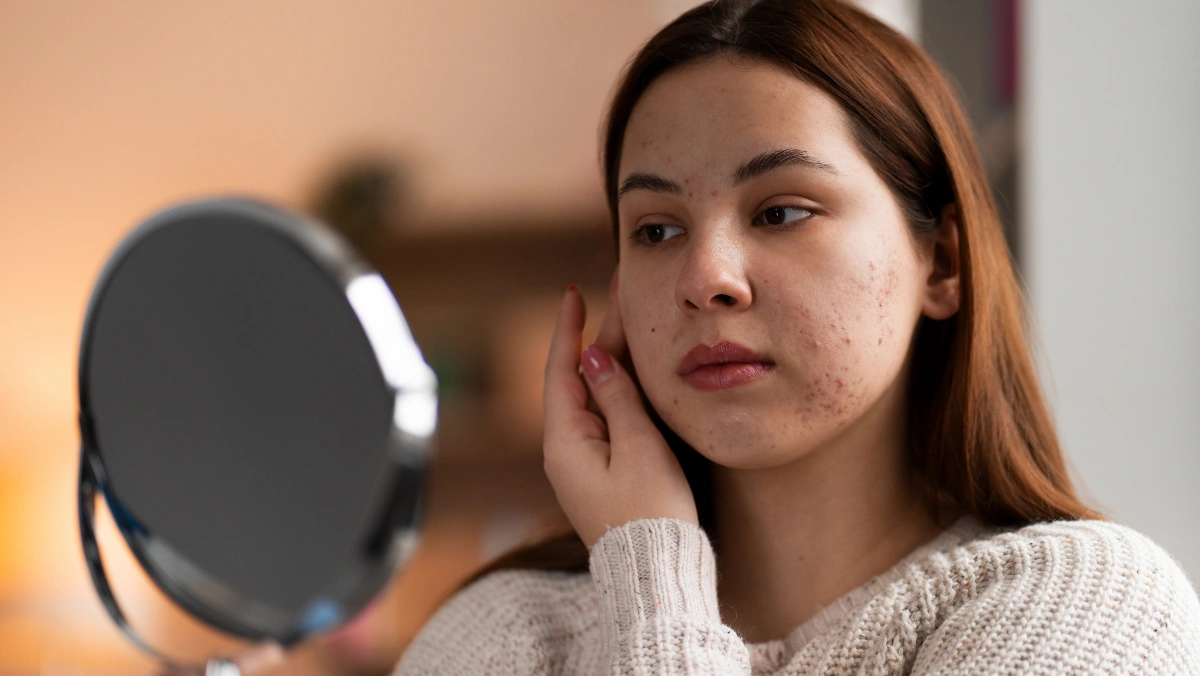
Acne Scar Types & Choosing the Right Treatment
Acne is a common skin condition, but for many individuals, the real concern begins after acne heals—acne scars. These scars can affect skin texture, confidence, and overall appearance.
However, not all acne scars are the same, and each type requires a specific treatment approach. At Luxor Hospital, acne scar treatment is customized based on scar type, skin condition, and patient goals to achieve the best possible results.
This blog explains the different types of acne scars and how to choose the right treatment approach.
What Are Acne Scars?
Acne scars form when the skin’s healing process is disrupted after inflammation. When deeper layers of skin are affected, collagen production becomes uneven, leading to visible scars.
Acne scars are usually permanent but can be significantly improved with medical treatments.
Types of Acne Scars
1. Atrophic Scars (Depressed Scars)
These are the most common type and appear as sunken or indented areas on the skin.
Types of Atrophic Scars:
- Ice Pick Scars – Deep and narrow pits
- Boxcar Scars – Wider scars with defined edges
- Rolling Scars – Wave-like uneven skin texture
2. Hypertrophic Scars (Raised Scars)
These scars are raised above the skin surface due to excess collagen production during healing.
3. Post-Inflammatory Hyperpigmentation (PIH)
Although not true scars, PIH appears as dark spots and uneven skin tone. It is more common in darker skin types.
Why Identifying Scar Type Is Important
Each type of scar requires a different treatment approach. Using the wrong treatment may:
- Delay improvement
- Worsen skin texture
- Lead to unsatisfactory results
At Luxor Hospital, proper diagnosis ensures targeted and effective treatment.
Treatment Options for Acne Scars
Microneedling
Microneedling stimulates collagen production and is effective for rolling scars and mild boxcar scars.
- Improves skin texture
- Reduces scar depth
- Minimal downtime
Laser Treatment
Laser resurfacing helps smooth the skin surface, improve pigmentation, and stimulate collagen.
Chemical Peels
Chemical peels exfoliate the skin and are effective for pigmentation and mild scars.
Subcision
Subcision is used for deep rolling scars by releasing fibrous bands under the skin.
Dermal Fillers
Fillers temporarily improve depressed scars and provide immediate improvement.
Combination Treatments
Often, the best results come from combining treatments such as:
- Microneedling + PRP
- Laser + Chemical Peel
Results and Timeline
- Initial improvement seen within weeks
- Significant results over 2–3 months
- Continued improvement with multiple sessions
Patience and consistency are essential for best outcomes.
Skincare Support for Better Results
- Use sunscreen daily
- Avoid picking acne
- Follow medical skincare routines
- Stay consistent with follow-ups
Why Choose Luxor Hospital for Acne Scar Treatment?
Luxor Hospital offers:
- Experienced dermatologists
- Advanced skin treatment technologies
- Personalized treatment plans
- Safe procedures for all skin types
- Focus on natural skin improvement
Our approach ensures visible results with long-term skin health.
Final Thoughts
Acne scars can be challenging, but with the right diagnosis and treatment, they can be significantly improved.
Understanding the type of scar is the first step toward achieving smoother, clearer skin.
If acne scars are affecting your confidence, consult the specialists at Luxor Hospital for a customized treatment plan designed to restore your skin’s texture and appearance.