Arm Fat vs Loose Skin - Choosing the Right Treatment Option
Arm Fat vs Loose Skin - Choosing the Right Treatment Option
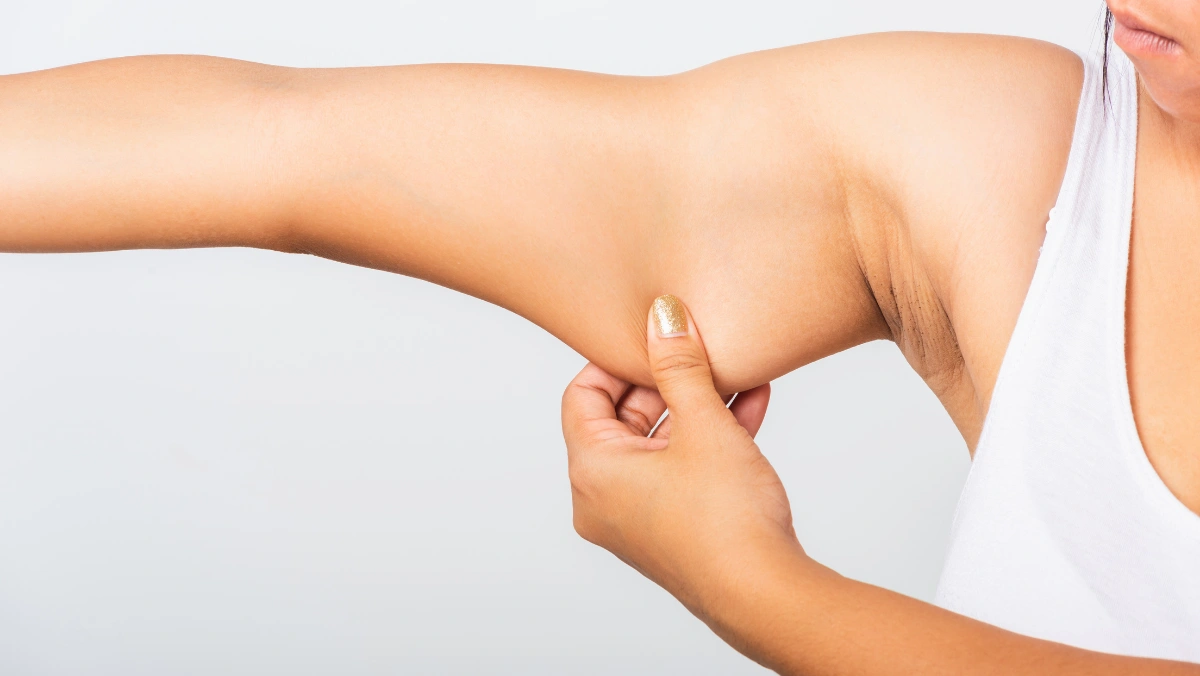
Many people struggle with the appearance of their arms, especially after significant weight loss or as they age. The upper arms may look bulky, saggy, or both, leading to confusion between arm fat and loose skin. However, these are two different concerns and may require different treatment approaches.
At Luxor Hospital, a proper assessment helps identify the underlying concern and determine the most appropriate treatment option.
This blog explains the difference between arm fat and loose skin and how to choose the right treatment.
What Is Arm Fat?
Arm fat refers to excess fat deposits, particularly around the upper arms.
Common features may include:
- Fuller or bulky-looking arms
- Soft tissue when touched
- Less visible muscle definition
In some individuals, excess arm fat may be resistant to exercise and lifestyle changes.
What Is Loose Skin?
Loose skin occurs when the skin loses elasticity and begins to sag. It is particularly common after significant weight loss or with age-related changes in skin elasticity.
Common features may include:
- Hanging or sagging skin
- A “bat wing” appearance
- Thin or wrinkled-looking skin
Key Differences Between Arm Fat and Loose Skin
| Feature | Arm Fat | Loose Skin |
|---|---|---|
| Cause | Excess fat accumulation | Loss of skin elasticity |
| Texture | Softer and thicker tissue | Thin and sagging skin |
| Appearance | Bulky or fuller arms | Hanging or sagging skin |
| Treatment Focus | Fat reduction or removal | Skin tightening or removal |
Identifying whether the primary concern is excess fat, loose skin, or a combination of both is important when choosing an appropriate treatment.
Causes of Arm Fat
1. Weight Gain
Excess calorie intake can lead to increased fat storage, including around the upper arms.
2. Genetics
Some individuals are naturally more likely to store fat in the upper arms due to genetic factors.
3. Lack of Activity
Reduced physical activity and muscle tone can contribute to a less defined appearance of the arms.
Causes of Loose Skin
1. Aging
With age, changes in collagen and elastin can reduce skin elasticity and contribute to sagging.
2. Significant Weight Loss
Major or rapid weight loss can leave excess skin behind, particularly when the skin has been stretched for a long period.
3. Reduced Skin Elasticity
Over time, the skin may lose some of its natural ability to contract and adapt to changes in body size.
Treatment Options for Arm Fat
Depending on the amount and distribution of excess fat, treatment options may include:
- Liposuction for targeted fat removal
- Non-surgical fat-reduction treatments
- Body contouring procedures
These approaches are intended to reduce excess fat and improve the overall contour and shape of the arms.
Treatment Options for Loose Skin
Treatment depends on the degree of skin laxity and individual goals. Options may include:
- Skin-tightening treatments such as radiofrequency or ultrasound
- Arm lift surgery, also known as brachioplasty, for more significant cases
These treatments focus primarily on improving skin firmness and reducing excess skin when necessary.
When Both Arm Fat and Loose Skin Are Present
Some individuals have both excess fat and loose skin in the upper arms. In these cases, a combination approach may be considered.
- Fat reduction or removal can address excess fatty tissue
- Skin tightening or removal can address skin laxity
- A combined approach may provide a more balanced overall contour
The appropriate combination depends on the individual's anatomy, skin elasticity, amount of excess fat, and treatment goals.
Who Is an Ideal Candidate?
You may benefit from an arm-contouring evaluation if you:
- Are unhappy with the appearance of your arms
- Notice excess fat or sagging skin
- Have maintained a relatively stable weight
- Are in generally good health
A consultation with a qualified specialist is important to determine whether treatment is appropriate for you.
Results and Expectations
- Fat removal: May create a slimmer and more defined arm contour
- Skin tightening: May create a firmer and more lifted appearance
- Combination treatment: May help create a more balanced and natural-looking result
Individual results vary depending on factors such as skin elasticity, anatomy, treatment method, and overall health.
Maintaining Results
Healthy lifestyle habits can help maintain the results of arm-contouring treatments:
- Maintain a healthy lifestyle
- Exercise regularly
- Avoid significant fluctuations in weight
Consistency can help preserve the overall shape and appearance of the arms.
Why Choose Luxor Hospital for Arm Contouring?
Luxor Hospital focuses on personalized assessment and treatment planning, with an emphasis on:
- Experienced cosmetic surgeons
- Advanced body-contouring techniques
- Personalized treatment plans
- Safe and hygienic procedures
- Natural-looking results
The goal is to help achieve arms that look more toned, proportionate, and harmonious with the rest of the body.
Final Thoughts
Arm fat and loose skin may look similar, but they are different concerns and may require different treatment approaches. Excess fat is primarily addressed through fat-reduction or removal techniques, while loose skin may require skin-tightening or surgical skin removal.
Proper assessment is the key to identifying the underlying concern and selecting the most appropriate treatment.
If you are concerned about the shape or appearance of your arms, consult the specialists at Luxor Hospital for an expert evaluation and customized treatment plan designed to help you achieve a more toned and confident appearance.