Cataract Symptoms You Should Not Ignore After Age 40
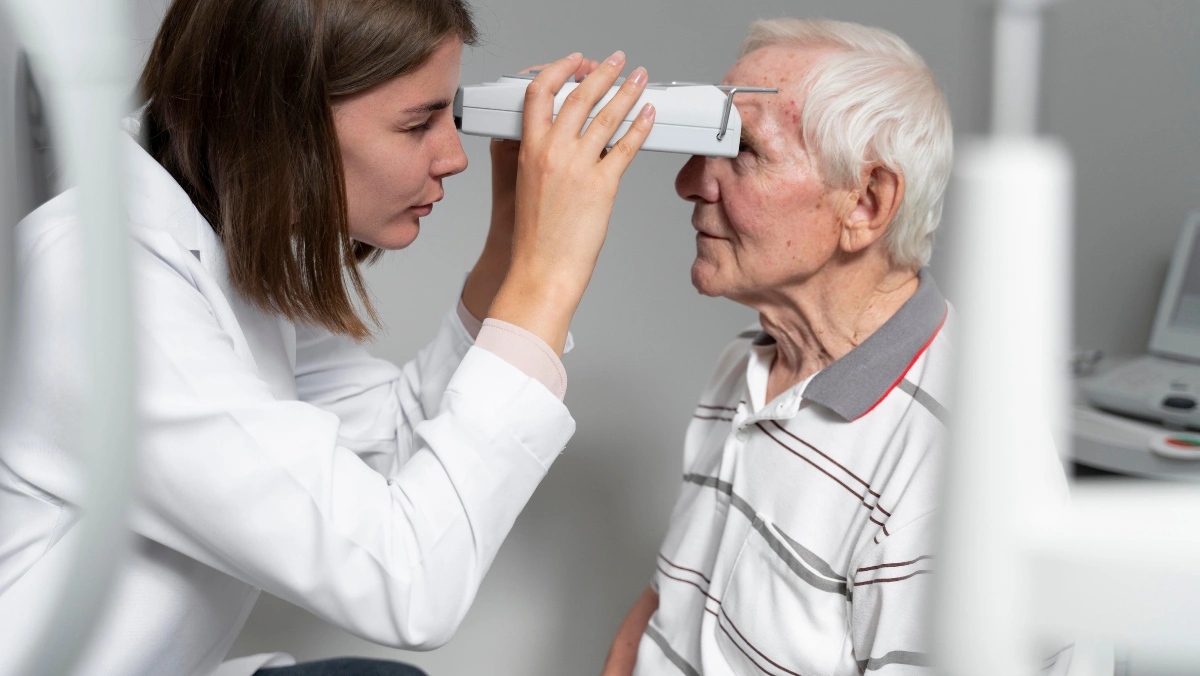
Cataract Symptoms You Should Not Ignore After Age 40
As we age, changes in vision become more common, but not all vision problems are harmless.
One of the most common age-related eye conditions is cataract, which can gradually affect clarity of vision and daily life.
Many people ignore early signs, assuming it’s just normal aging, but timely diagnosis is essential for effective treatment.
This blog explains the key symptoms of cataracts and why you should not ignore them after the age of 40.
What Is a Cataract?
A cataract occurs when the natural lens of the eye becomes cloudy.
This clouding prevents light from passing clearly through the lens, resulting in blurred or dim vision.
Cataracts usually develop slowly and may affect one or both eyes.
Why Cataracts Are Common After 40
As you age:
- Proteins in the eye lens begin to break down
- The lens loses clarity and flexibility
- Oxidative stress affects eye health
These natural changes increase the risk of cataract formation, especially after 40.
Early Symptoms of Cataract
Cataracts often start with mild symptoms that gradually worsen over time.
Common early signs include:
- Blurred or cloudy vision
- Difficulty seeing at night
- Sensitivity to light and glare
- Halos around lights
- Frequent changes in eyeglass prescription
These symptoms may be subtle at first but should not be ignored.
Advanced Symptoms
As cataracts progress, symptoms become more noticeable:
- Significant vision loss
- Colors appear faded or yellowish
- Double vision in one eye
- Difficulty reading or recognizing faces
At this stage, daily activities may become challenging.
Why You Should Not Ignore Cataract Symptoms
Ignoring cataract symptoms can lead to:
- Gradual vision deterioration
- Reduced quality of life
- Increased risk of accidents (especially while driving)
- More complex treatment at later stages
Early detection allows timely and simpler treatment.
Risk Factors for Cataracts
You may be at higher risk if you:
- Are above 40 years of age
- Have diabetes
- Smoke or consume alcohol regularly
- Have prolonged sun exposure
- Have a family history of cataracts
Understanding risk factors helps in early prevention.
How Cataracts Are Diagnosed
Diagnosis involves:
- Comprehensive eye examination
- Vision testing
- Slit-lamp examination to assess the lens
Regular eye checkups are essential for early detection.
Treatment Options for Cataracts
1. Early Stage Management
In mild cases:
- Updated glasses may improve vision temporarily
- Lifestyle adjustments can help manage symptoms
2. Cataract Surgery (Definitive Treatment)
Surgery is the most effective solution:
- Cloudy lens is removed
- Artificial intraocular lens (IOL) is implanted
- Vision is restored
Modern cataract surgery is safe, quick, and highly successful.
When Should You Consider Surgery?
Surgery is recommended when:
- Vision affects daily activities
- Reading or driving becomes difficult
- Quality of life is impacted
Delaying surgery unnecessarily may worsen vision.
Preventive Tips
- Wear sunglasses to protect from UV rays
- Maintain a healthy diet rich in antioxidants
- Control diabetes and other health conditions
- Avoid smoking
- Schedule regular eye checkups
Prevention can slow progression.
Final Thoughts
Cataracts are a common part of aging, but they should never be ignored.
Recognizing early symptoms and seeking timely treatment can help preserve clear vision and improve quality of life.
If you notice changes in your vision after the age of 40, consult an eye specialist for a detailed evaluation and appropriate treatment to keep your eyes healthy and your vision clear.