Cosmetic Surgery Planning - How Doctors Customize Treatments for Each Patient
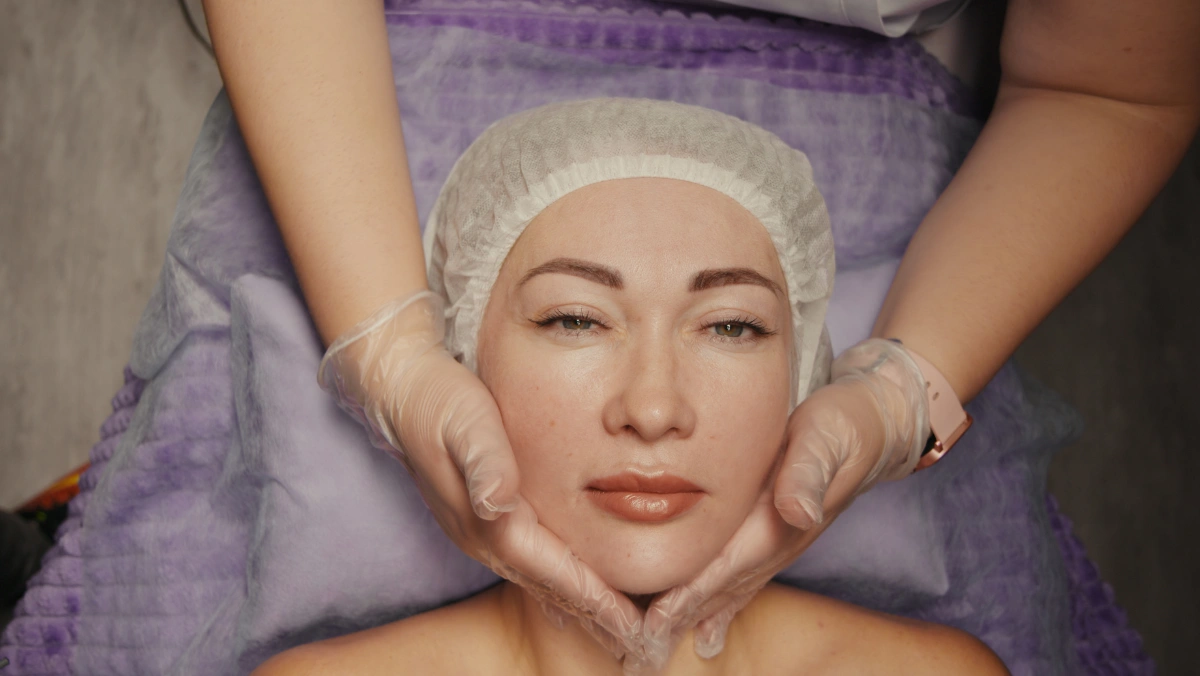
Cosmetic Surgery Planning - How Doctors Customize Treatments for Each Patient
Cosmetic procedures are not one-size-fits-all. Every face and body is unique, which is why successful outcomes depend heavily on personalized planning rather than just the procedure itself. The best results come from treatments that are carefully tailored to match an individual's anatomy, goals, and lifestyle.
This blog explains how doctors customize cosmetic treatments to achieve safe, natural, and satisfying results.
Why Personalization Matters in Cosmetic Procedures
No two individuals have exactly the same:
- Facial structure
- Skin quality
- Body proportions
- Aesthetic goals
A standardized approach may not produce results that suit an individual's features or expectations.
Personalization helps support:
- Natural-looking results
- Balanced proportions
- Greater long-term satisfaction
Step 1: Detailed Consultation
The process begins with an in-depth consultation. During this stage, the doctor may evaluate:
- Medical history
- Current concerns
- Expectations and aesthetic goals
This conversation helps the doctor understand what the patient wants to achieve and whether those expectations are realistic and appropriate.
Step 2: Facial and Body Analysis
Doctors assess multiple physical factors, including:
- Facial symmetry
- Skin condition
- Bone structure
- Fat distribution
This assessment helps determine which changes may complement the individual's natural features and create a more balanced appearance.
Step 3: Understanding Patient Goals
Patients may have different expectations from cosmetic treatment. Some may prefer:
- Subtle enhancement
- Natural-looking results
Others may prefer:
- More noticeable changes
Clear communication between the patient and doctor helps ensure that expectations are aligned with what can realistically be achieved.
Step 4: Treatment Selection
Based on the consultation and assessment, the doctor may recommend the most suitable treatment option.
Non-Surgical Treatments
- Botox
- Dermal fillers
- Skin treatments
Surgical Procedures
- Facial surgery
- Body contouring
- Breast procedures
In some cases, a combination of treatments may be recommended to address different concerns and achieve a more comprehensive result.
Step 5: Customized Treatment Plan
A personalized treatment plan may include:
- Type of procedure
- Number of sessions, when applicable
- Expected recovery time
- Expected results
Having a structured treatment plan helps patients understand the process and supports appropriate preparation and follow-up.
Step 6: Digital Planning and Simulation
In some cases, advanced digital tools and imaging technologies may be used to:
- Visualize potential treatment outcomes
- Plan precise changes
- Improve treatment planning and accuracy
These tools can also help patients better understand the proposed treatment and what they may reasonably expect.
Step 7: Safety and Risk Assessment
Before proceeding with treatment, doctors consider factors such as:
- Overall health
- Suitability for the proposed procedure
- Potential risks and complications
Safety should always be the top priority when planning any cosmetic procedure.
Step 8: Post-Treatment Planning
Personalization does not end when the procedure is completed. Post-treatment planning may include:
- Recovery and aftercare guidance
- Follow-up visits
- Maintenance treatments when appropriate
Proper follow-up and aftercare can support recovery and help maintain the desired results over time.
Benefits of Customized Cosmetic Planning
A personalized approach can offer several potential benefits, including:
- Natural and balanced results
- Better alignment with individual anatomy and goals
- Appropriate consideration of potential risks
- Higher patient satisfaction
- Better long-term outcomes
Who Should Consider Personalized Planning?
Anyone considering a cosmetic procedure should:
- Avoid one-size-fits-all solutions
- Seek an expert consultation
- Choose individualized care based on their needs and goals
A qualified specialist can assess individual factors and help determine the most appropriate treatment approach.
Final Thoughts
Cosmetic procedures are not simply about changing appearance. They are about enhancing natural features in a way that suits each individual's anatomy, preferences, and lifestyle.
Personalized planning is an important part of achieving results that look natural, feel comfortable, and align with realistic expectations.
If you are considering a cosmetic procedure, consult a qualified specialist who can evaluate your individual needs and design a customized treatment plan tailored specifically to you.