Diabetic Retinopathy – How Diabetes Affects Your Vision
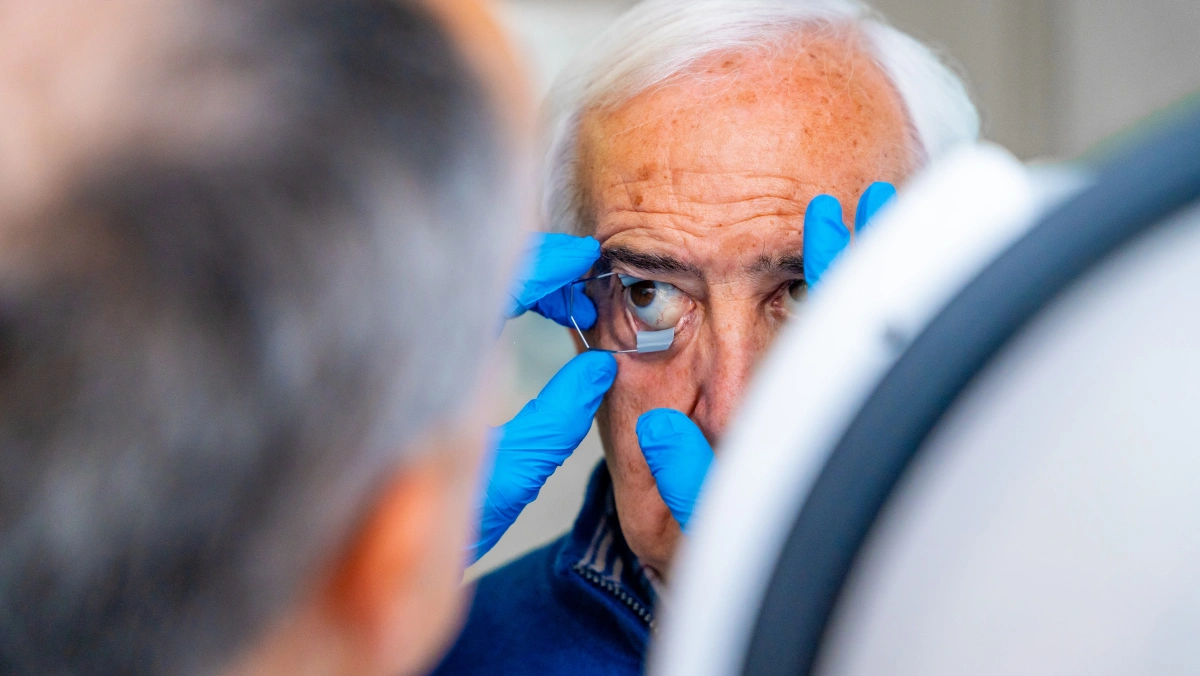
Diabetic Retinopathy – How Diabetes Affects Your Vision
Diabetes affects many parts of the body, but one of the most serious and often overlooked complications is its impact on the eyes.
Diabetic retinopathy is a condition that can silently damage vision and, if untreated, may lead to permanent vision loss.
Early detection and proper management are essential to protect eye health.
This blog explains how diabetes affects your vision and what you can do to prevent complications.
What Is Diabetic Retinopathy?
Diabetic retinopathy is an eye condition caused by damage to the blood vessels of the retina—the light-sensitive tissue at the back of the eye.
High blood sugar levels can:
- Weaken blood vessels
- Cause leakage or swelling
- Lead to abnormal blood vessel growth
These changes affect how the retina functions.
How Diabetes Affects the Eyes
Over time, uncontrolled diabetes can:
- Damage small blood vessels
- Reduce oxygen supply to the retina
- Cause fluid leakage
This leads to vision problems that may worsen gradually.
Stages of Diabetic Retinopathy
1. Early Stage (Non-Proliferative)
- Small blood vessel damage
- Mild swelling or leakage
- Often no noticeable symptoms
2. Advanced Stage (Proliferative)
- Growth of abnormal blood vessels
- Risk of bleeding inside the eye
- Increased chances of vision loss
Early detection is key to preventing progression.
Symptoms to Watch For
In early stages, symptoms may not be obvious.
As the condition progresses, you may notice:
- Blurred vision
- Floaters (dark spots)
- Difficulty seeing at night
- Fluctuating vision
- Partial vision loss
Any of these signs should be evaluated immediately.
Risk Factors
You may be at higher risk if you:
- Have long-term diabetes
- Poorly controlled blood sugar levels
- High blood pressure
- High cholesterol
- Pregnancy (in diabetic women)
Managing these factors helps reduce risk.
Why Regular Eye Checkups Are Important
Diabetic retinopathy can develop without symptoms.
Regular eye exams help:
- Detect early changes
- Prevent complications
- Monitor disease progression
Early diagnosis allows timely treatment.
Treatment Options
1. Blood Sugar Control
Maintaining stable blood sugar levels is the most important step.
2. Laser Treatment
Helps seal leaking blood vessels and prevent further damage.
3. Injections (Anti-VEGF Therapy)
Reduce abnormal blood vessel growth and swelling.
4. Surgery (Vitrectomy)
Used in advanced cases to remove blood or scar tissue.
Treatment depends on the stage of the condition.
Preventive Measures
- Maintain good blood sugar control
- Monitor blood pressure and cholesterol
- Follow a healthy diet
- Exercise regularly
- Avoid smoking
- Schedule regular eye checkups
Prevention is the best approach to protect vision.
Who Should Be Extra Careful?
- Individuals with long-standing diabetes
- Patients with uncontrolled blood sugar
- People with other health conditions like hypertension
Regular monitoring is essential for these groups.
Final Thoughts
Diabetic retinopathy is a serious but preventable cause of vision loss.
With early detection and proper management, you can protect your eyesight and maintain a good quality of life.
If you have diabetes, do not wait for symptoms to appear.
Regular eye checkups and timely care can make a significant difference in preserving your vision.