Eye Allergy Treatment – Causes, Symptoms & Medical Management
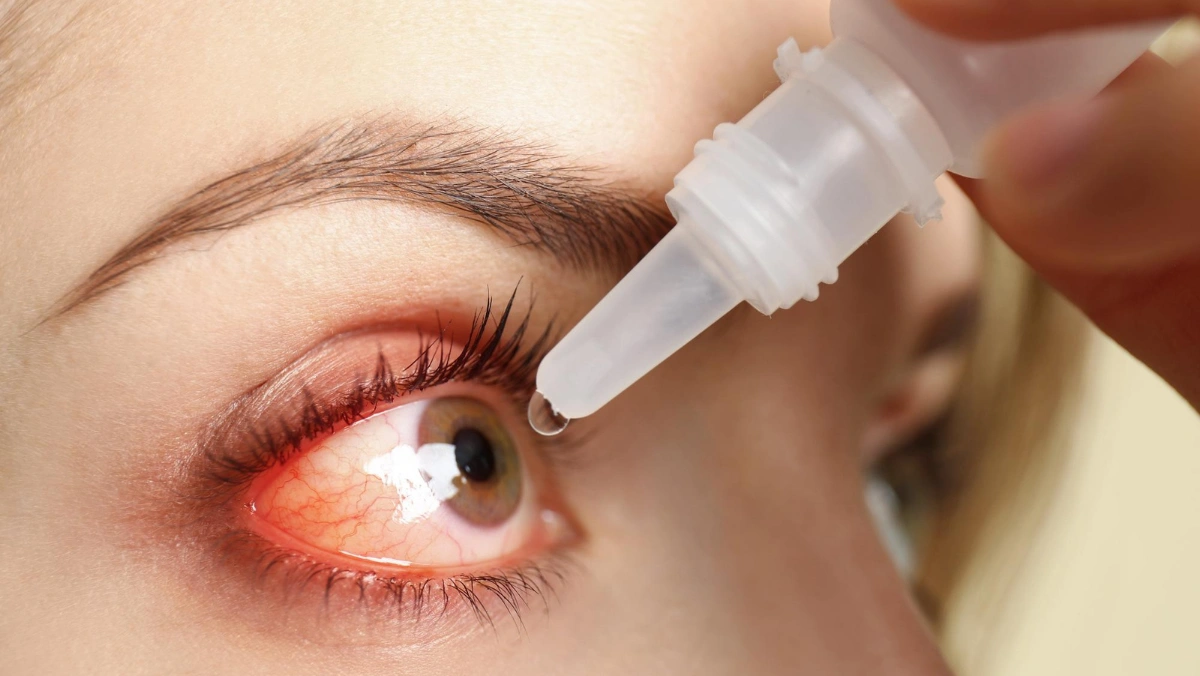
Eye Allergy Treatment – Causes, Symptoms & Medical Management
Eye allergies are a common yet often underestimated condition that can significantly affect daily comfort and vision quality.
With increasing pollution, screen exposure, and environmental triggers, more individuals are experiencing symptoms like itching, redness, and watering eyes.
At Luxor Hospital, eye allergies are managed with a structured medical approach that focuses on accurate diagnosis, effective treatment, and long-term prevention.
This blog explains the causes, symptoms, and medical management of eye allergies to help you understand when to seek professional care.
What Is an Eye Allergy?
An eye allergy, also known as allergic conjunctivitis, occurs when the eyes react to allergens such as dust, pollen, smoke, or pet dander.
When exposed, the immune system releases histamines, causing inflammation and discomfort in the eyes.
Eye allergies are not contagious but can be persistent and recurrent if triggers are not controlled.
Common Causes of Eye Allergies
Eye allergies can be triggered by various environmental and lifestyle factors:
- Dust and pollution (common in urban areas)
- Pollen from plants and seasonal allergens
- Pet hair or dander
- Smoke and chemical exposure
- Cosmetic products or contact lenses
- Digital screen strain combined with dryness
Understanding the trigger is the first step toward effective treatment.
Symptoms of Eye Allergies
Symptoms can range from mild irritation to severe discomfort:
- Itching in the eyes (most common symptom)
- Redness and inflammation
- Watery or teary eyes
- Burning sensation
- Swelling of eyelids
- Sensitivity to light
- Blurred vision (in severe cases)
If symptoms persist or worsen, medical evaluation is necessary.
Why Proper Diagnosis Matters
Many people confuse eye allergies with infections or dry eye syndrome. Incorrect self-treatment can worsen the condition.
At Luxor Hospital, diagnosis includes:
- Detailed patient history
- Eye examination
- Identification of triggers
- Differentiation from infections or other eye conditions
Proper diagnosis ensures targeted and effective treatment.
Medical Management of Eye Allergies
Treatment depends on the severity and cause of the allergy.
1. Anti-Allergic Eye Drops
These are the most commonly prescribed treatments. They help:
- Reduce itching and redness
- Control inflammation
- Provide quick relief
2. Antihistamine Medications
Oral or topical antihistamines help control the allergic response by blocking histamine release.
3. Lubricating Eye Drops
Artificial tears help wash away allergens and soothe irritation, especially in mild cases.
4. Advanced Anti-Inflammatory Treatment
In moderate to severe cases, doctors may prescribe specialized medications to control inflammation safely.
Medical treatment is always tailored to the patient’s condition.
Importance of Pre-Treatment Evaluation
Before prescribing treatment, doctors assess overall eye health and medical history.
This approach is similar to a pre-medical evaluation, which helps ensure safe and effective treatment planning.
Proper evaluation reduces risks and improves outcomes, as thorough assessment is critical for patient safety.
Preventive Measures for Eye Allergies
Prevention plays a major role in managing eye allergies:
- Avoid known allergens whenever possible
- Use protective eyewear in dusty environments
- Maintain good eye hygiene
- Limit screen time and take regular breaks
- Avoid rubbing your eyes
- Keep surroundings clean and dust-free
These steps help reduce recurrence and severity.
When to See an Eye Specialist
Consult a specialist if you experience:
- Persistent or severe symptoms
- Vision changes
- Pain or discharge
- No improvement with over-the-counter treatments
Early medical intervention prevents complications and ensures faster relief.
Why Choose Luxor Hospital for Eye Allergy Treatment?
Luxor Hospital offers:
- Experienced ophthalmologists
- Accurate diagnosis and personalized treatment plans
- Advanced medical management options
- Patient-focused care and follow-up
- Safe and evidence-based treatment protocols
Our goal is to provide long-term relief, not just temporary solutions.
Final Thoughts
Eye allergies may seem minor, but untreated symptoms can affect your comfort, productivity, and overall eye health.
With proper diagnosis, medical treatment, and preventive care, they can be effectively managed.
If you are experiencing recurring eye irritation or discomfort, consult the specialists at Luxor Hospital for expert evaluation and personalized treatment to protect your vision and improve your quality of life.