Eye Infections - Early Signs and When to Visit a Specialist
Eye Infections - Early Signs and When to Visit a Specialist
Eye infections are common but should never be taken lightly. What may start as mild irritation can quickly develop into a more serious condition if not treated properly. Recognizing the early signs of an eye infection is essential to help prevent complications and protect your vision.
This blog explains the causes, symptoms, and when you should seek medical attention for eye infections.
What Is an Eye Infection?
An eye infection occurs when harmful microorganisms such as bacteria, viruses, or fungi affect different parts of the eye.
Common types of eye infections include:
- Conjunctivitis (pink eye)
- Keratitis (corneal infection)
- Stye (infection of eyelid glands)
Each type can vary in severity and may require a different approach to treatment.
Common Causes of Eye Infections
1. Bacterial Infections
Bacterial eye infections can be associated with poor hygiene or exposure to contaminated surfaces and materials.
2. Viral Infections
Viral eye infections can be highly contagious and are commonly spread through close contact or contaminated hands and surfaces.
3. Fungal Infections
Fungal eye infections are less common but may occur following an eye injury or exposure to contaminated material.
4. Contact Lens Misuse
Improper cleaning, poor handling, or wearing contact lenses for longer than recommended can increase the risk of eye infections.
5. Environmental Factors
Dust, pollution, and allergens can irritate the eyes and may contribute to eye discomfort and inflammation.
Early Signs of an Eye Infection
Common signs and symptoms may include:
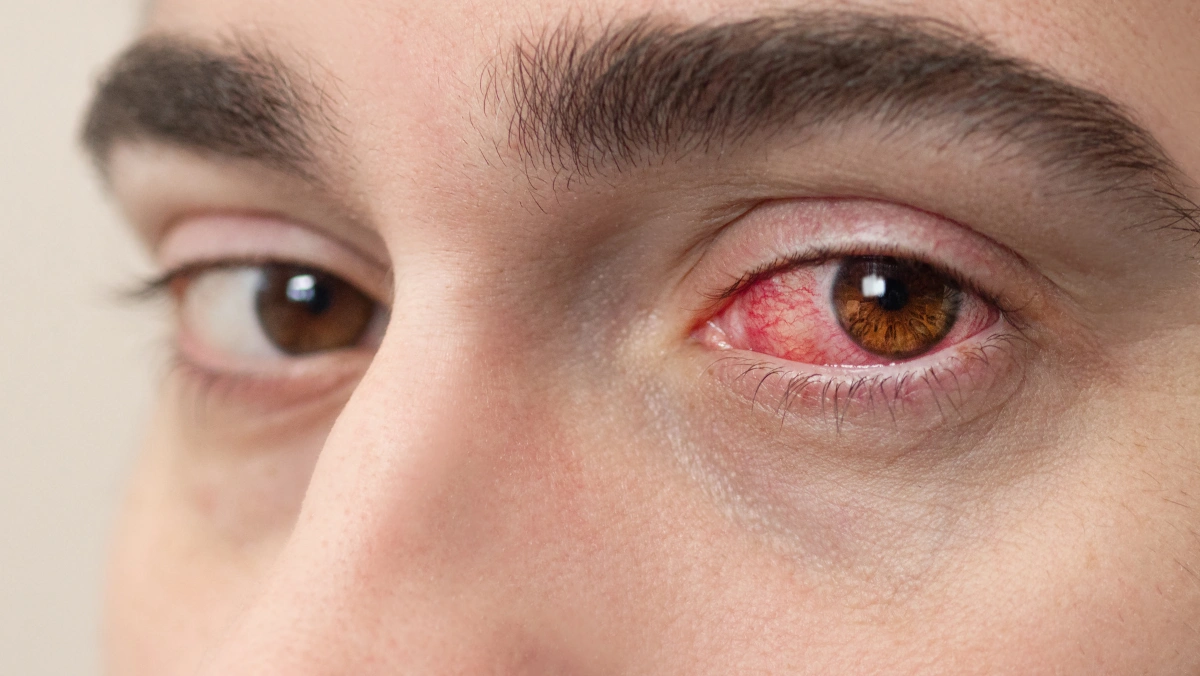
- Redness in the eye
- Itching or irritation
- Excessive tearing
- Eye discharge, including yellow or green discharge
- Swelling around the eye
- Sensitivity to light
These symptoms may initially appear mild but can worsen if the underlying condition is not properly evaluated and treated.
When Should You See a Specialist?
You should consult an eye specialist if you experience:
- Persistent redness or eye pain
- Blurred or reduced vision
- Severe sensitivity to light
- Thick or significant eye discharge
- Symptoms that persist for more than a few days
Timely medical evaluation can help identify the cause and reduce the risk of complications.
How Eye Infections Are Diagnosed
Depending on the symptoms and suspected cause, a doctor may perform:
- A comprehensive eye examination
- An assessment of symptoms and medical history
- Laboratory tests, if required
These evaluations help identify the possible cause of the infection and determine the appropriate treatment.
Treatment Options
1. Antibiotic Eye Drops
Antibiotic eye drops may be prescribed for certain bacterial eye infections.
2. Antiviral Medications
Antiviral medications may be prescribed when a viral infection requires specific medical treatment.
3. Antifungal Treatment
Antifungal treatment may be required in certain fungal eye infections, which are less common.
4. Supportive Care
Depending on the condition, supportive measures may include:
- Warm compresses
- Good eye hygiene
- Lubricating eye drops
Treatment depends on the type and severity of the eye infection, so appropriate medical evaluation is important.
Preventive Measures
You can reduce the risk of eye infections by following simple hygiene and eye-care practices:
- Wash your hands regularly
- Avoid touching or rubbing your eyes
- Clean and handle contact lenses properly
- Avoid sharing personal items such as towels
- Protect your eyes from dust and pollution
Good hygiene and proper eye care can help reduce the risk of infection.
Who Is at Higher Risk?
Certain individuals may have a higher risk of developing eye infections, including:
- Contact lens users
- Individuals with weakened immunity
- People frequently exposed to polluted environments
- Those with poor hygiene practices
Extra care and appropriate preventive measures may be particularly important for these groups.
Complications If an Eye Infection Is Ignored
If an eye infection is left untreated, it may potentially lead to:
- Corneal damage
- Vision problems
- Spread of infection to surrounding areas
Seeking timely medical attention is essential when symptoms are persistent, severe, or affecting vision.
Final Thoughts
Eye infections are common but can become serious if neglected. Recognizing early symptoms and seeking timely medical evaluation can help protect your vision and reduce the risk of complications.
If you notice signs of an eye infection, especially persistent pain, significant redness, discharge, light sensitivity, or changes in vision, do not delay seeking professional medical advice. Consult an eye specialist for proper diagnosis and appropriate treatment.