Facial Proportions – How Surgeons Plan a Balanced Face
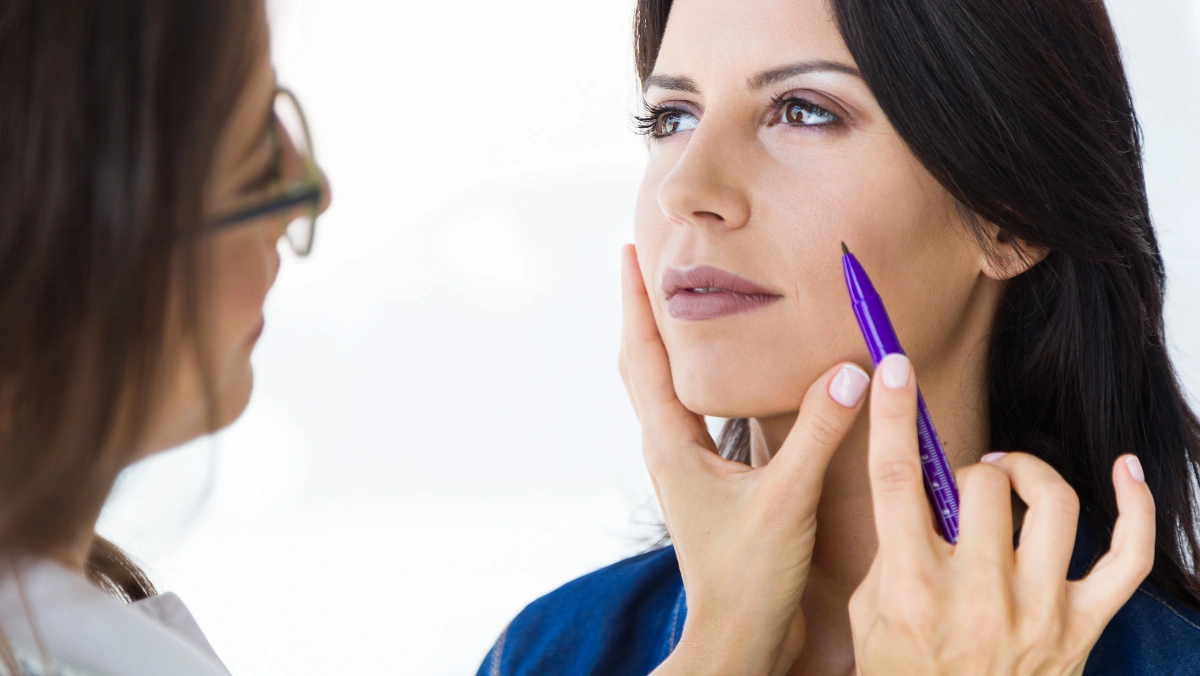
Facial Proportions – How Surgeons Plan a Balanced Face
Facial beauty is not defined by a single feature but by how all features work together in harmony.
Balanced facial proportions play a crucial role in creating an attractive and natural appearance.
Whether it’s the nose, chin, lips, or jawline, even small changes can significantly impact overall facial aesthetics.
At Luxor Hospital, facial procedures are carefully planned based on proportion, symmetry, and individual features to achieve natural-looking results.
This blog explains how surgeons analyze facial proportions and plan treatments for a balanced face.
What Are Facial Proportions?
Facial proportions refer to the relationship between different parts of the face, including:
- Forehead
- Eyes
- Nose
- Lips
- Chin and jawline
A well-balanced face does not necessarily mean perfect symmetry but a harmonious alignment of features.
Why Facial Balance Matters
Balanced proportions help:
- Enhance natural beauty
- Improve facial harmony
- Create a more youthful appearance
- Ensure natural-looking results after treatment
Even a minor imbalance can make the face appear uneven or less defined.
Key Areas of Facial Analysis
1. Vertical Proportions
The face is divided into three equal parts:
- Forehead to eyebrows
- Eyebrows to base of nose
- Nose to chin
Any imbalance in these sections affects overall appearance.
2. Horizontal Proportions
This includes:
- Distance between eyes
- Width of nose
- Alignment of lips and chin
These elements must align proportionally for a balanced look.
3. Profile Analysis
Side profile evaluation includes:
- Nose projection
- Chin position
- Jawline definition
This is crucial for procedures like rhinoplasty and chin augmentation.
Common Facial Imbalances
- Receding or weak chin
- Prominent or asymmetrical nose
- Thin or uneven lips
- Lack of jawline definition
- Volume loss in cheeks
These imbalances can be corrected with proper planning.
How Surgeons Plan a Balanced Face
1. Detailed Facial Assessment
Doctors analyze:
- Facial structure
- Skin quality
- Bone structure
- Patient goals
2. Digital Imaging and Planning
Advanced tools may be used to:
- Simulate results
- Plan precise changes
- Ensure symmetry and balance
3. Customized Treatment Approach
Every face is unique.
Treatments are tailored based on:
- Individual proportions
- Desired outcome
- Natural facial characteristics
Treatment Options for Facial Balance
Non-Surgical Options:
- Dermal fillers for volume and contour
- Botox for muscle balance
- Skin tightening treatments
Surgical Options:
- Rhinoplasty (nose reshaping)
- Chin augmentation
- Jawline contouring
- Face lift procedures
Often, a combination of treatments provides the best results.
Importance of Natural Results
Overcorrection can lead to an artificial appearance.
The goal is:
- Subtle enhancement
- Improved harmony
- Preservation of natural identity
Experienced surgeons focus on balance rather than exaggeration.
Who Should Consider Facial Proportion Correction?
You may benefit if you:
- Feel your facial features are unbalanced
- Want to enhance your appearance naturally
- Are considering cosmetic procedures
A consultation helps determine the best approach.
Maintaining Results
- Follow post-treatment care
- Maintain a healthy lifestyle
- Protect skin from sun damage
Long-term care supports lasting results.
Final Thoughts
Facial proportions are the foundation of aesthetic beauty.
A well-planned approach ensures that enhancements look natural and balanced rather than artificial.
If you are considering improving your facial features, consult experienced specialists who can assess your proportions and recommend personalized treatments to achieve a harmonious and confident appearance.