Glass Skin Treatments - Medical Approach vs Social Media Myths
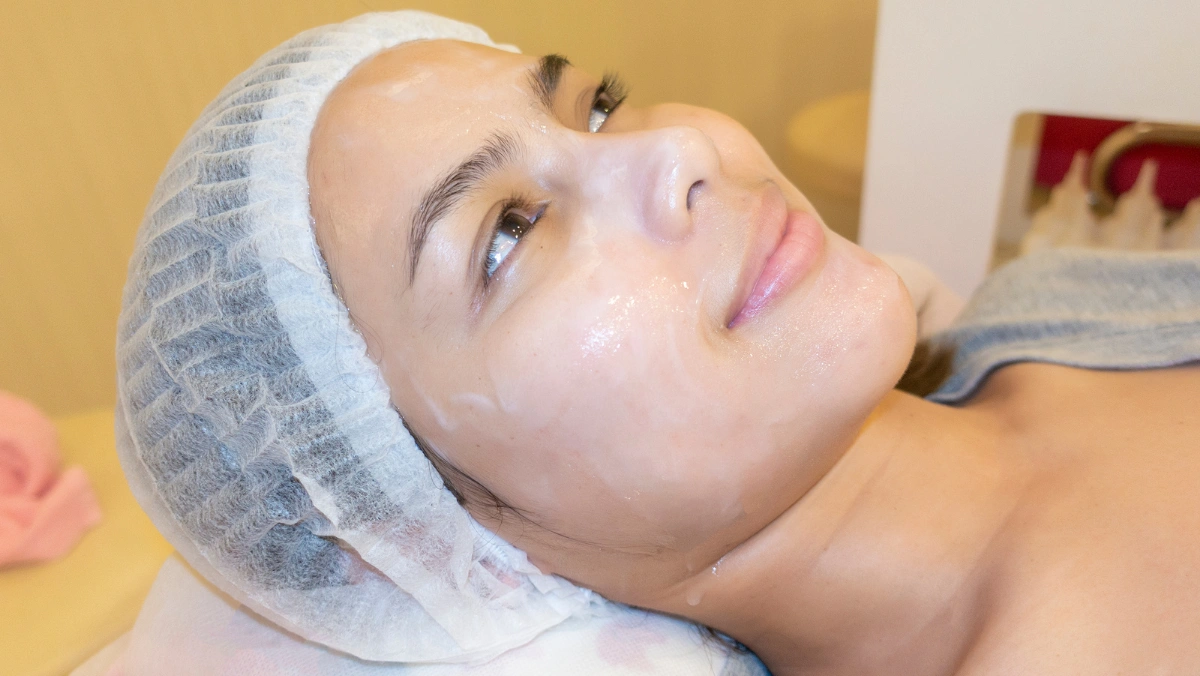
Glass Skin Treatments - Medical Approach vs Social Media Myths
The concept of “glass skin” has become extremely popular through social media, often described as smooth, poreless, glowing, and almost translucent skin. While it looks attractive and desirable, many people misunderstand what it actually takes to achieve this look. The reality is that true skin health goes beyond viral trends and requires a scientific, medical approach.
This blog explains what glass skin really means and separates social media myths from medically effective treatments.
What Is Glass Skin?
Glass skin generally refers to skin that appears:
- Clear with an even-looking skin tone
- Smooth with refined-looking texture
- Well-hydrated with a healthy, glowing appearance
- With minimal visible pores
It is not about achieving perfect skin, but about maintaining healthy, well-cared-for skin.
Why Has Glass Skin Become So Popular?
Social media platforms have amplified the glass-skin trend through:
- Highly edited or filtered images
- Skincare routines involving multiple products
- Quick-fix solutions and trending treatments
While these trends can be inspiring, they can also create unrealistic expectations about what healthy skin should look like.
Common Social Media Myths About Glass Skin
Myth 1: More Products Mean Better Skin
Reality: Using too many skincare products can overwhelm the skin, damage the skin barrier, and cause irritation.
Myth 2: Instant Results Are Possible
Reality: Healthy skin takes time. Consistency, appropriate skincare, and the right treatment approach are important for meaningful improvement.
Myth 3: Home Remedies Are Enough
Reality: Basic skincare and healthy habits can support skin health, but persistent or deeper skin concerns may require professional evaluation and medical treatment.
Myth 4: Completely Poreless Skin Is Achievable
Reality: Pores are a natural part of the skin and cannot be completely removed. However, their appearance can sometimes be minimized with appropriate skincare and treatments.
What Actually Affects Skin Quality?
Several factors influence how your skin looks and behaves, including:
- Skin hydration
- Collagen levels
- Oil balance
- Skin barrier health
- Genetics and lifestyle
Understanding these factors helps create a more realistic and effective approach to achieving healthier-looking skin.
Medical Approach to Glass Skin
Improving the appearance and quality of the skin may require a combination of professional treatments and an appropriate skincare routine.
1. Skin Hydration Treatments
- Can improve skin moisture levels
- May enhance skin smoothness and glow
2. Chemical Peels
- Help remove damaged or dead surface skin cells
- May improve skin texture and tone
3. Laser Treatments
- Can stimulate collagen production
- May help reduce pigmentation and uneven skin appearance
4. Microneedling
- Stimulates the skin's natural collagen production
- May improve the appearance of uneven skin texture
5. Medical-Grade Skincare
- Can target specific skin concerns
- Supports a consistent, long-term skincare routine
The appropriate combination of treatments depends on individual skin type, concerns, and goals.
Importance of the Skin Barrier
A healthy skin barrier plays an important role in maintaining healthy skin. It helps:
- Protect the skin from external irritants and environmental damage
- Maintain proper hydration
- Reduce the risk of irritation and sensitivity
Overusing active ingredients or combining too many products can weaken the skin barrier and may lead to dryness, irritation, or sensitivity.
Lifestyle Factors That Matter
Healthy skin also depends on everyday lifestyle habits, including:
- Maintaining a balanced diet
- Staying properly hydrated
- Getting adequate sleep
- Managing stress levels
Healthy lifestyle habits can support overall skin health and contribute to a naturally healthy-looking glow.
Who Should Consider Medical Treatments?
You may benefit from professional skin evaluation if you:
- Have uneven skin texture
- Experience dullness or pigmentation
- Want to improve the overall quality and appearance of your skin
- Want a personalized approach to long-term skin improvement
A consultation with a qualified skin specialist can help identify your specific concerns and determine which treatments may be appropriate.
Realistic Expectations
Achieving healthier-looking skin is a gradual process. It is important to remember that:
- Skin improvement takes time
- Results require consistency
- Maintenance is often necessary
The goal should be healthy, natural-looking skin rather than perfection.
Final Thoughts
Glass skin is not achieved through shortcuts or social media trends alone. A healthier and more radiant complexion usually requires a combination of appropriate skincare, professional treatments when needed, and healthy lifestyle habits.
If you want to improve the health and appearance of your skin, focus on long-term care rather than quick fixes. Consult a qualified specialist to create a personalized treatment and skincare plan based on your skin type, concerns, and individual goals.