Glaucoma Risk Factors - Who Needs Regular Eye Screening
Glaucoma Risk Factors - Who Needs Regular Eye Screening
Glaucoma is a serious eye condition that can lead to permanent vision loss if it is not detected and managed early. Often called the “silent thief of sight,” glaucoma can develop gradually without noticeable symptoms in its early stages. This makes regular eye screening especially important for individuals who may be at higher risk.
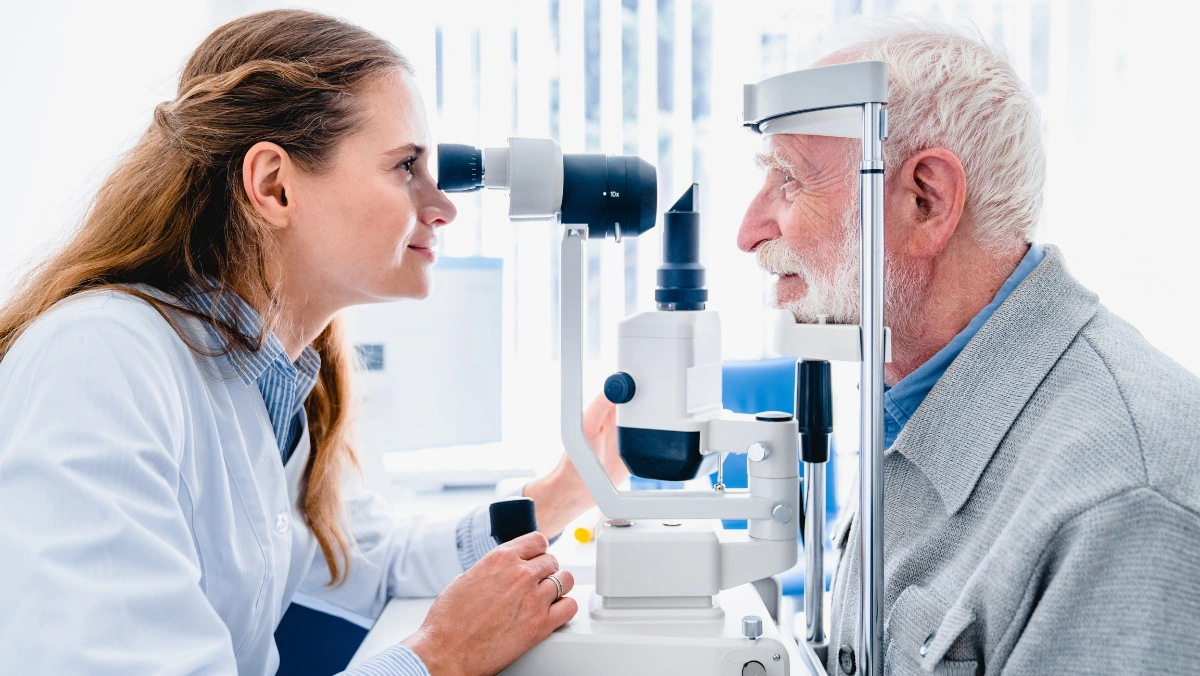
At Luxor Hospital, advanced diagnostic methods are used to identify glaucoma and support timely treatment to help protect vision.
This blog explains the key risk factors for glaucoma and who should prioritize regular eye screening.
What Is Glaucoma?
Glaucoma is a group of eye conditions that can damage the optic nerve, which plays an essential role in transmitting visual information from the eye to the brain. Increased pressure inside the eye is an important risk factor, although glaucoma can also occur with normal eye pressure.
Over time, optic nerve damage can lead to:
- Loss of peripheral or side vision
- Blurred or reduced vision
- Permanent vision loss if left untreated
Early detection is critical because vision loss caused by glaucoma cannot generally be reversed.
Why Is Early Screening Important?
Glaucoma often develops without pain or obvious symptoms, particularly in its early stages. Many people may not realize they have the condition until significant vision loss has occurred.
Regular eye screening can help:
- Identify glaucoma at an earlier stage
- Detect changes before significant vision loss occurs
- Prevent or slow further optic nerve damage
- Protect long-term vision
Major Risk Factors for Glaucoma
1. Age
The risk of glaucoma generally increases with age, particularly after 40, and may increase further in older adults.
2. Family History
Having a close family member with glaucoma can increase the likelihood of developing the condition.
3. High Eye Pressure
Elevated intraocular pressure is an important risk factor for glaucoma, although not everyone with high eye pressure develops the disease.
4. Diabetes
Diabetes can increase the risk of certain eye conditions, including glaucoma.
5. High Blood Pressure
High blood pressure and other vascular factors may be associated with increased risk of optic nerve damage and eye disease.
6. Thin Cornea
Individuals with thinner corneas may have a higher risk of developing glaucoma and may require careful assessment of eye pressure and optic nerve health.
7. Long-Term Steroid Use
Prolonged use of corticosteroid medications can increase eye pressure in some individuals and may increase the risk of glaucoma.
8. Previous Eye Injury
Previous trauma to the eye can sometimes damage structures involved in maintaining normal eye pressure and may contribute to glaucoma later in life.
Who Should Get Regular Eye Screening?
You should consider regular glaucoma screening if you:
- Are over 40 years of age
- Have a family history of glaucoma
- Have diabetes or high blood pressure
- Use steroid medications regularly or for a prolonged period
- Have experienced a previous eye injury
- Have been found to have elevated eye pressure
Even people without noticeable symptoms can benefit from routine comprehensive eye examinations, particularly when they have known risk factors.
Symptoms to Watch For in Advanced Stages
Early glaucoma may have no noticeable symptoms. As the condition progresses, some people may experience:
- Loss of side or peripheral vision
- Tunnel vision
- Eye pain in certain types of glaucoma
- Blurred or reduced vision
Sudden severe eye pain, blurred vision, halos around lights, nausea, or vomiting can occur with certain forms of acute glaucoma and require immediate medical attention.
How Is Glaucoma Diagnosed?
A comprehensive glaucoma evaluation may include:
- Eye pressure measurement
- Optic nerve examination
- Visual field testing
- Corneal thickness measurement
Depending on the individual's risk factors and findings, an eye specialist may recommend additional diagnostic tests to assess the optic nerve, drainage angle, or retinal structures.
Treatment Options
Glaucoma cannot currently be cured, but appropriate treatment can help control the condition and reduce the risk of further vision loss. Treatment options may include:
1. Prescription Eye Drops
Medicated eye drops may be prescribed to lower eye pressure and reduce the risk of further optic nerve damage.
2. Laser Treatment
Certain laser procedures can help improve fluid drainage from the eye or reduce eye pressure, depending on the type of glaucoma.
3. Surgical Procedures
When medication or laser treatment is not sufficient, surgical procedures may be considered to improve fluid drainage and control eye pressure.
The appropriate treatment depends on the type and severity of glaucoma, eye pressure, optic nerve health, and individual patient factors.
Preventive Measures
While glaucoma cannot always be prevented, regular eye care and management of risk factors can help protect long-term vision.
- Get regular comprehensive eye examinations
- Manage diabetes and blood pressure appropriately
- Use steroid medications only as prescribed
- Protect your eyes from injury
- Maintain a healthy lifestyle
- Follow your eye specialist's treatment recommendations
Early detection and appropriate management are key to reducing the risk of irreversible vision loss.
Why Choose Luxor Hospital for Glaucoma Care?
Luxor Hospital offers:
- Experienced ophthalmologists
- Advanced glaucoma screening and diagnostic technology
- Early detection and treatment
- Personalized eye-care plans
- A focus on long-term vision protection
The goal is to identify glaucoma as early as possible and provide appropriate care to help preserve vision.
Final Thoughts
Glaucoma is a serious but manageable eye condition when detected and treated appropriately. Because early glaucoma may cause little or no noticeable symptoms, understanding the risk factors and undergoing appropriate eye screening are important steps toward protecting your vision.
If you fall into a higher-risk category or have not had a comprehensive eye examination recently, consult the specialists at Luxor Hospital for glaucoma screening and personalized eye care.