Hair Transplant Failures – Common Mistakes and Prevention
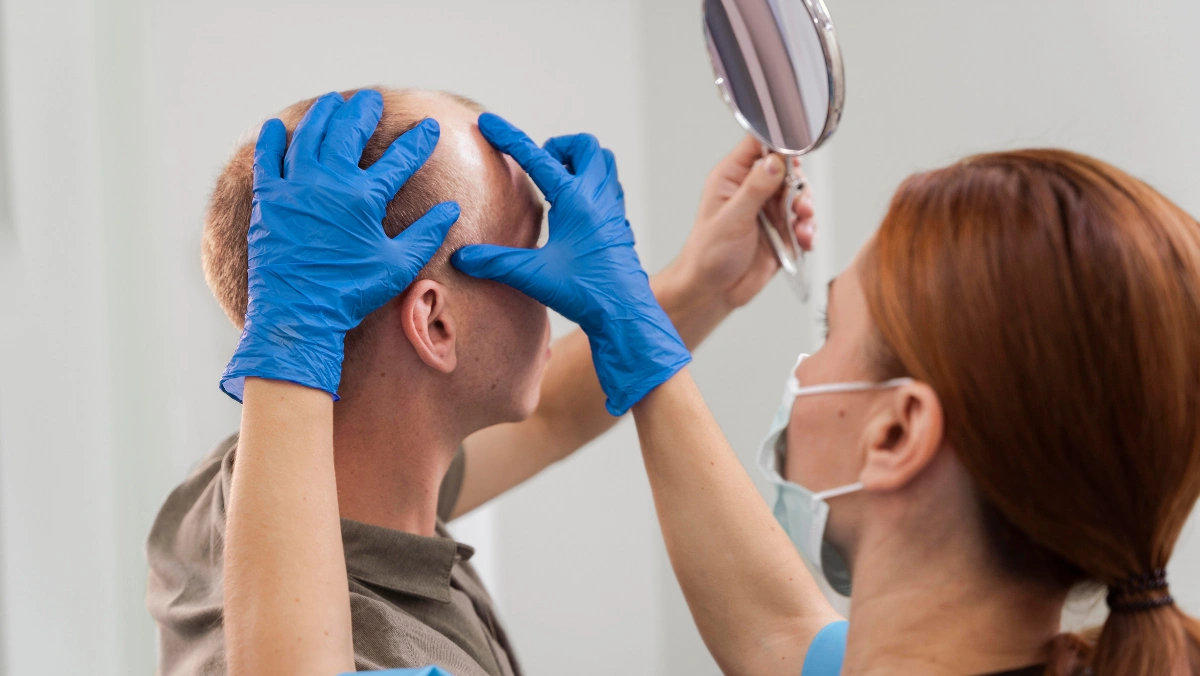
Hair Transplant Failures – Common Mistakes and Prevention
Hair transplant can deliver natural and long-lasting results when done correctly.
However, not all procedures meet expectations.
In some cases, patients experience poor density, unnatural hairlines, or uneven growth.
These outcomes are often due to avoidable mistakes rather than the procedure itself.
This blog explains the common reasons behind hair transplant failures and how they can be prevented.
What Is Considered a Hair Transplant Failure?
A hair transplant may be considered unsuccessful if:
- Hair growth is poor or uneven
- Hairline looks unnatural
- Donor area appears over-harvested
- Results do not match expectations
Understanding the causes helps in avoiding such outcomes.
Common Mistakes That Lead to Failure
1. Poor Hairline Design
An unnatural or incorrectly placed hairline can make the results look artificial.
2. Over-Harvesting Donor Area
Excessive extraction can:
- Thin out the donor area
- Limit future transplant options
3. Low Graft Survival Rate
Improper handling of grafts can reduce survival, leading to poor growth.
4. Incorrect Technique
Using outdated or unsuitable techniques can affect:
- Density
- Natural appearance
- Overall results
5. Ignoring Future Hair Loss
Planning only for current hair loss without considering future progression can result in imbalance over time.
6. Lack of Proper Aftercare
Not following post-procedure instructions can:
- Affect healing
- Reduce graft survival
Signs of a Poor Hair Transplant
- Patchy or uneven hair growth
- Visible gaps between grafts
- Straight or artificial hairline
- Scarring in donor area
These signs indicate improper planning or execution.
How to Prevent Hair Transplant Failure
1. Choose an Experienced Specialist
Expertise ensures:
- Proper planning
- Correct technique
- Natural results
2. Proper Donor Area Management
Balanced extraction prevents:
- Over-harvesting
- Future complications
3. Customized Treatment Plan
Every individual requires:
- Personalized hairline design
- Strategic graft placement
4. Use of Advanced Techniques
Modern methods improve:
- Precision
- Graft survival
- Overall outcomes
5. Follow Post-Procedure Care
Important steps include:
- Avoiding physical stress
- Using prescribed medications
- Protecting the scalp
Can Failed Transplants Be Corrected?
Yes, in many cases:
- Hairline can be redesigned
- Additional grafts can improve density
- Corrective procedures can restore natural appearance
However, correction depends on donor availability.
Who Is at Higher Risk?
- Patients choosing low-cost or unqualified clinics
- Individuals with unrealistic expectations
- Those with poor donor area
Proper consultation reduces risks.
Importance of Realistic Expectations
Hair transplant improves appearance but:
- Does not create unnatural density
- Depends on available donor hair
- Requires time for full results
Understanding this ensures satisfaction.
Final Thoughts
Hair transplant failures are often preventable with proper planning, skilled execution, and correct aftercare.
Choosing the right specialist and approach makes a significant difference in achieving natural and lasting results.
If you are considering a hair transplant or correcting a previous one, consult an experienced professional to ensure safe, effective, and aesthetically pleasing outcomes.