Hairline Design – How Surgeons Create Natural Results
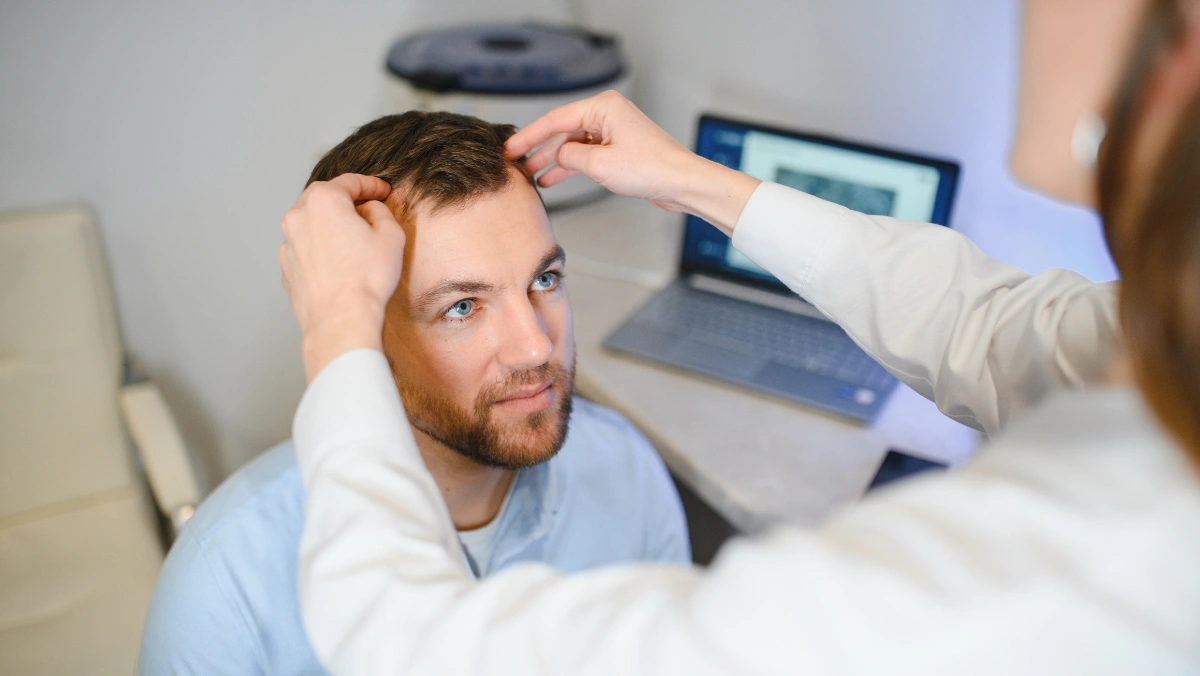
Hairline Design – How Surgeons Create Natural Results
When it comes to hair transplant, one of the most critical factors is not just the number of grafts but the design of the hairline.
A well-designed hairline can make the results look completely natural, while a poorly planned one can appear artificial.
At Luxor Hospital, hairline design is treated as both a medical and artistic process to achieve the most natural outcome.
This blog explains how surgeons design a natural-looking hairline and why it plays a key role in hair transplant success.
What Is Hairline Design?
Hairline design refers to the planning and creation of the front hairline during a hair transplant.
It determines:
- The shape of the hairline
- The density of hair placement
- The overall framing of the face
A natural hairline blends seamlessly with existing hair and complements facial features.
Why Hairline Design Is Important
A poorly designed hairline can:
- Look unnatural or too straight
- Appear too low or too high
- Not match age or facial structure
A well-designed hairline:
- Enhances facial appearance
- Looks natural from all angles
- Ages appropriately over time
Key Factors in Hairline Design
1. Facial Proportions
The hairline is designed according to:
- Forehead size
- Face shape
- Position of eyebrows
This ensures overall facial balance.
2. Age Consideration
A youthful hairline is different from a mature one.
Surgeons design a hairline that:
- Matches your age
- Will still look natural as you grow older
3. Hair Density
The front hairline is created with:
- Lower density for a natural look
- Gradual increase in density behind
This mimics natural hair growth patterns.
4. Irregularity (Natural Pattern)
Natural hairlines are not perfectly straight.
Surgeons create:
- Slight irregularities
- Soft transitions
This avoids an artificial appearance.
Types of Hairlines
- Straight hairline
- Rounded hairline
- Widow’s peak
The choice depends on individual features and preferences.
Role of Hair Characteristics
Hair quality also affects design:
- Thick hair provides better coverage
- Curly hair gives more volume
- Fine hair requires careful placement
These factors are considered during planning.
Techniques Used in Hairline Creation
1. FUE (Follicular Unit Extraction)
- Individual follicles are placed carefully
- Allows precise and natural placement
2. Single Hair Grafts
- Used at the front hairline
- Create a soft and natural edge
This technique is crucial for realism.
Common Mistakes in Hairline Design
- Placing the hairline too low
- Creating a straight or unnatural line
- Ignoring future hair loss
- Using high density at the front
These mistakes can affect long-term results.
Long-Term Planning
Hair loss is progressive.
A good hairline design considers:
- Future hair loss patterns
- Availability of donor hair
- Need for additional procedures
This ensures lasting results.
Who Should Consider Hairline Design?
You may benefit if you:
- Have a receding hairline
- Want natural-looking transplant results
- Are planning a hair restoration procedure
Final Thoughts
Hairline design is the foundation of a successful hair transplant.
It requires a balance of medical expertise and aesthetic understanding to achieve natural and long-lasting results.
If you are considering a hair transplant, consult an experienced specialist who can design a personalized hairline that enhances your appearance while maintaining a natural look.