Managing Ocular Inflammation & Uveitis – Latest Treatment Approaches
Managing Ocular Inflammation & Uveitis – Latest Treatment Approaches
Introduction
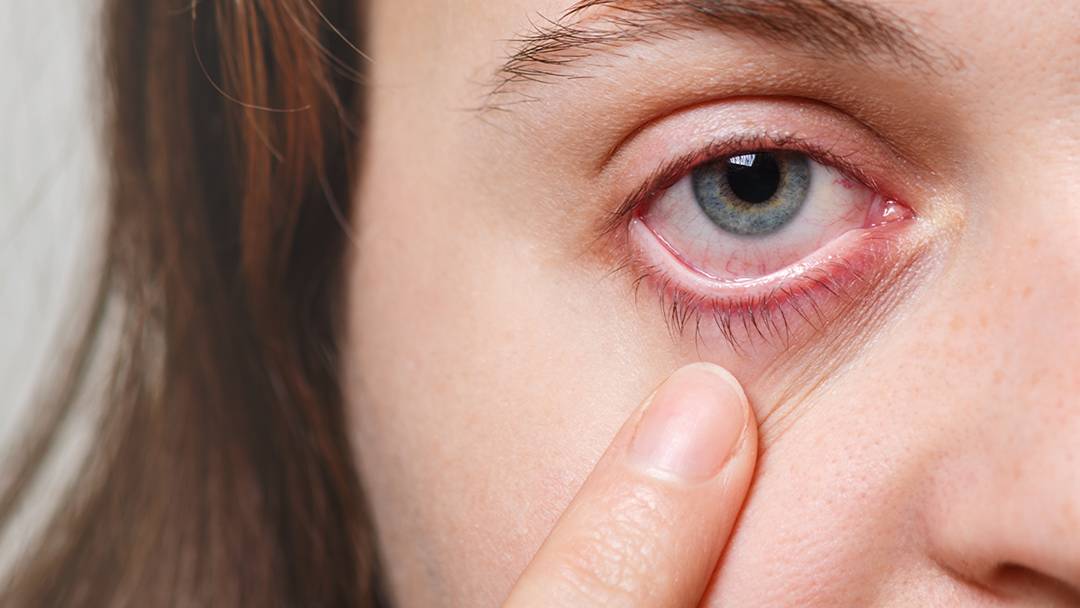
Eye redness, light sensitivity, and blurred vision can sometimes indicate ocular inflammation or uveitis. This condition, if ignored, can damage delicate structures of the eye and even lead to permanent vision loss.
At Luxor Hospital, we use modern diagnostic tools and advanced treatments to control inflammation, protect vision, and help patients recover safely.
What Is Uveitis?
Uveitis refers to inflammation of the uveal tract — the iris, ciliary body, and choroid. It may affect the front, middle, or back of the eye, or sometimes all layers (panuveitis).
Without timely treatment, uveitis can cause complications such as cataracts, glaucoma, macular swelling, or scarring that may permanently affect vision.
Common Causes
Uveitis can be linked to:
-
Infections: such as herpes, tuberculosis, or syphilis
-
Autoimmune diseases: like rheumatoid arthritis, lupus, or sarcoidosis
-
Eye injury or surgery: triggering inflammation
-
Idiopathic: where no specific cause is found
Identifying the cause helps guide the right treatment approach.
Symptoms to Watch For
Typical warning signs include:
-
Eye redness or pain
-
Sensitivity to light
-
Blurred vision or vision loss
-
Floating spots in vision
Since these overlap with other eye conditions, a specialist evaluation is essential.
Diagnosis at Luxor Hospital
Our process includes:
-
Comprehensive eye exam using slit-lamp and pressure checks
-
Imaging like OCT and angiography to detect swelling or vessel leakage
-
Laboratory tests for infections or autoimmune conditions
-
Multidisciplinary care with rheumatologists if needed
This ensures accurate diagnosis and targeted treatment.
Latest Treatment Options
Medications
-
Steroid eye drops to control anterior uveitis
-
Cycloplegic drops for pain relief and to prevent adhesions
-
Injections or implants for deeper inflammation
-
Systemic therapy with oral steroids, immunosuppressants, or biologics in severe cases
Surgical Care
-
Vitrectomy to remove inflammatory debris or confirm diagnosis
-
Cataract or glaucoma surgery if complications arise once inflammation is under control
The Treatment Journey
Step 1: Consultation & Planning
– Diagnosis, cause identification, and treatment
plan.
Step 2: Active Treatment
– Medicines, injections, or systemic therapy with close
monitoring.
Step 3: Recovery & Maintenance
– Gradual tapering of medication, regular follow-up, and
long-term monitoring.
Many anterior uveitis cases improve in weeks, while chronic forms may need months of therapy.
Why Choose Luxor Hospital?
-
Experienced ophthalmology and uveitis specialists
-
Advanced imaging and diagnostic facilities
-
Personalized, step-by-step treatment plans
-
Safe, sterile environment with strict monitoring
-
Ongoing patient support and transparent care
Conclusion
Ocular inflammation and uveitis are serious but manageable with timely care. At Luxor Hospital, we offer the latest therapies — from simple eye drops to advanced biologics — to protect vision and ensure long-term eye health.
If you notice redness, discomfort, or vision changes, book a consultation today. Early intervention can make the difference between preserving vision and permanent damage.