Pigmentation Treatments - Safe Solutions for Indian Skin
Pigmentation Treatments - Safe Solutions for Indian Skin
Skin pigmentation issues are a common concern, especially in Indian skin types, where melanin levels are naturally higher. Conditions such as melasma, tanning, dark spots, and post-acne marks can affect skin tone and confidence. Treating pigmentation requires a careful, medically guided approach, as improper treatments may worsen discoloration. At Luxor Hospital, pigmentation treatments are designed to be safe, effective, and suitable for Indian skin.
This blog explains the causes of pigmentation and the safe treatment options available.
Understanding Skin Pigmentation
Pigmentation occurs when excess melanin is produced in certain areas of the skin. While melanin protects the skin from sun damage, overproduction leads to uneven skin tone and dark patches.
Common types of pigmentation include:
-
Melasma - brown or grey patches, often on the face
-
Sun tan - caused by prolonged UV exposure
-
Post-inflammatory hyperpigmentation (PIH) - dark marks after acne or injury
-
Age spots - due to aging and sun damage
Each type requires a different treatment strategy.
Why Pigmentation Treatment Needs Special Care in Indian Skin
Indian skin is more prone to:
-
Post-treatment pigmentation
-
Sensitivity to aggressive procedures
-
Recurrence of pigmentation
Therefore, treatments must be gentle, gradual, and medically supervised to avoid complications.
Safe Pigmentation Treatment Options
Medical Topical Treatments
Prescription creams containing ingredients such as azelaic acid, kojic acid, retinoids, and vitamin C help reduce pigmentation gradually and safely.
Chemical Peels
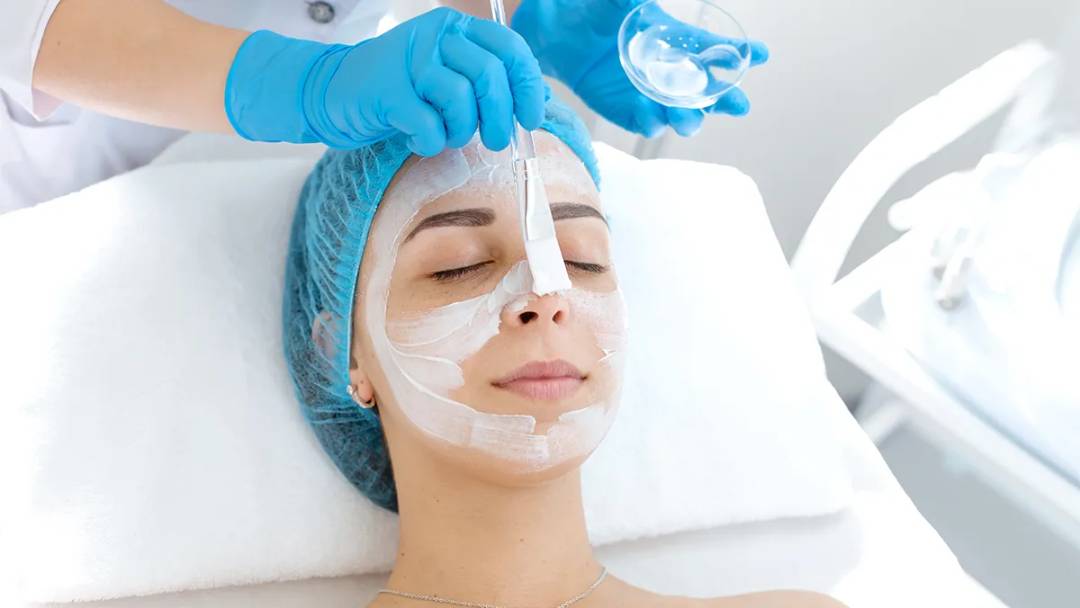
Mild to medium-depth chemical peels exfoliate pigmented skin layers and promote even skin tone. These peels are customized to suit Indian skin sensitivity.
Laser Pigmentation Treatment
Advanced laser technologies target excess melanin without damaging surrounding skin. Laser settings are carefully adjusted for Indian skin tones to minimize risks.
Microneedling with Serums
Microneedling enhances skin renewal and improves absorption of depigmenting serums, making it effective for stubborn pigmentation.
Importance of Sun Protection
Sun exposure is a major trigger for pigmentation. Regardless of treatment, strict sun protection is essential, including:
-
Broad-spectrum sunscreen
-
Protective clothing
-
Avoiding peak sun hours
Without sun protection, pigmentation can easily recur.
How Pigmentation Is Treated at Luxor Hospital
At Luxor Hospital, pigmentation treatment involves:
-
Detailed skin analysis
-
Identification of pigmentation type and depth
-
Customized treatment plan
-
Combination therapy when required
-
Close monitoring to prevent side effects
This personalized approach ensures safe and long-lasting results.
Expected Results and Treatment Duration
Pigmentation treatment is gradual. Visible improvement usually appears over several weeks to months, depending on severity. Consistency and adherence to medical advice are key to success.
Why Choose Luxor Hospital for Pigmentation Treatment?
Luxor Hospital offers:
-
Experienced dermatologists
-
Safe protocols for Indian skin
-
Advanced laser and peel technologies
-
Personalized treatment plans
-
Emphasis on skin health and safety
Final Thoughts
Pigmentation can be effectively managed with the right combination of medical treatments and lifestyle care. Choosing safe, dermatologist-guided procedures is essential, especially for Indian skin.
If pigmentation is affecting your confidence, consult the skin specialists at Luxor Hospital for safe, effective, and customized pigmentation treatment solutions.