Stretch Marks Prevention - Medical Approaches That Work
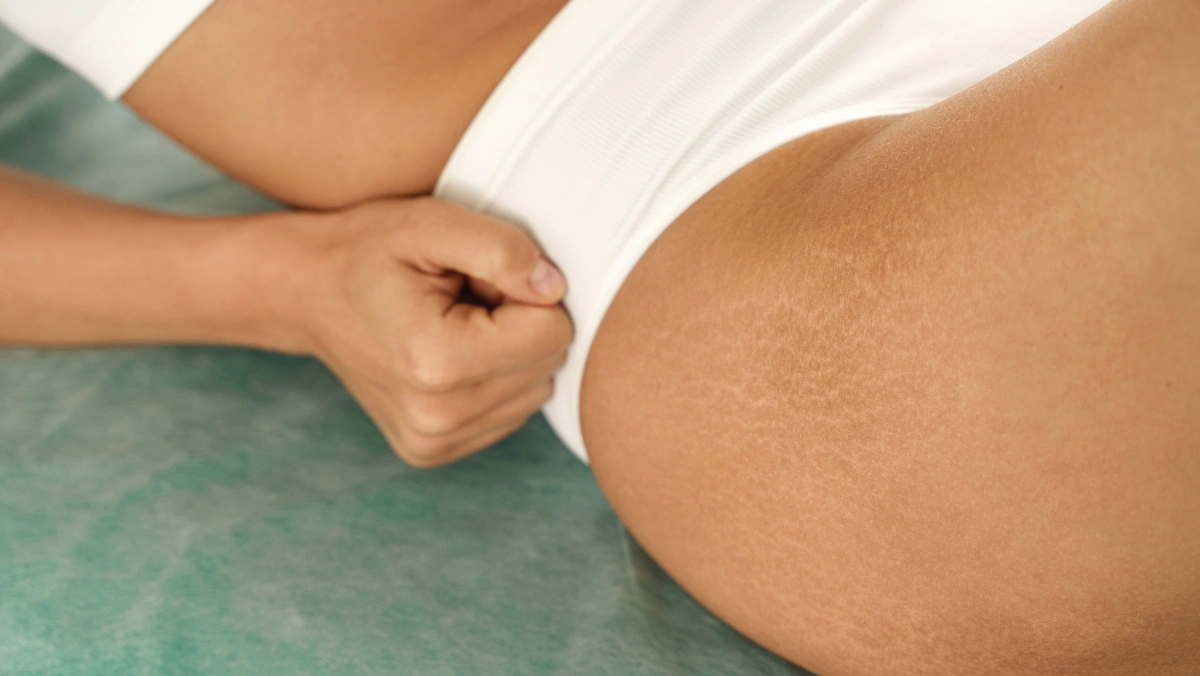
Stretch Marks Prevention - Medical Approaches That Work
Stretch marks are a common skin concern that can affect both men and women. They often appear as lines or streaks on the skin due to rapid stretching, commonly seen during weight gain, pregnancy, or growth spurts. While stretch marks are harmless, many people seek ways to prevent or reduce their appearance.
At Luxor Hospital, advanced dermatological treatments focus on both prevention and improvement of stretch marks.
This blog explains why stretch marks occur and the medical approaches that may help prevent or reduce their appearance.
What Are Stretch Marks?
Stretch marks, also known as striae, occur when the skin stretches rapidly, affecting the underlying collagen and elastin fibers.
They commonly appear on areas such as:
- Abdomen
- Thighs
- Hips
- Arms
- Breasts
Initially, stretch marks may appear red, pink, or purple and may gradually fade to lighter shades such as white or silver over time.
Causes of Stretch Marks
1. Rapid Weight Gain or Loss
Sudden changes in body size can stretch the skin and contribute to the development of stretch marks.
2. Pregnancy
During pregnancy, hormonal changes combined with rapid stretching of the skin can increase the likelihood of developing stretch marks.
3. Growth Spurts
Teenagers may develop stretch marks during periods of rapid growth, particularly when the body changes size quickly.
4. Hormonal Changes
Hormonal changes can influence skin elasticity and may increase the likelihood of developing stretch marks.
5. Genetics
Some individuals may be more prone to stretch marks because of inherited skin characteristics and family history.
Can Stretch Marks Be Prevented?
Not all stretch marks can be completely prevented. However, maintaining healthy skin and seeking appropriate care early may help reduce their severity or improve their appearance.
Medical Approaches for Prevention and Early Care
1. Skin Hydration Treatments
Maintaining adequate skin hydration can support skin flexibility and may help the skin cope better with stretching.
2. Medical-Grade Skincare
Depending on the individual's skin type and circumstances, certain skincare ingredients may support skin health and collagen production. These may include:
- Retinoids
- Hyaluronic acid
- Vitamin C
A qualified specialist should determine which products or ingredients are appropriate, particularly during pregnancy or breastfeeding.
3. Microneedling
Microneedling uses controlled micro-injuries to stimulate the skin's natural healing response and collagen production.
It may help:
- Support collagen production
- Improve skin texture
- Reduce the appearance of some stretch marks
4. Laser Therapy
Certain laser treatments can stimulate collagen remodeling and improve the appearance and texture of stretch marks.
Laser treatment may be considered for both newer and established stretch marks depending on their type, color, and individual skin characteristics.
Importance of Early Treatment
Newer stretch marks, which may appear red or purple, can sometimes respond better to certain treatments than older, lighter stretch marks.
Early professional evaluation may help:
- Identify the appropriate treatment approach
- Improve the likelihood of visible improvement
- Support healthier-looking skin as it heals
Lifestyle Tips to Support Skin Health
Healthy habits can support skin elasticity and overall skin health:
- Maintain a stable and healthy body weight when possible
- Stay adequately hydrated
- Follow a balanced diet rich in essential nutrients and protein
- Moisturize the skin regularly
- Avoid unnecessary or rapid weight fluctuations
Consistent healthy habits can help support the skin's overall condition.
Who Is at Higher Risk?
You may be more likely to develop stretch marks if you:
- Are pregnant
- Experience rapid changes in body weight
- Are going through puberty or a rapid growth phase
- Have a family history of stretch marks
Prevention vs. Treatment
| Approach | Main Focus |
|---|---|
| Prevention | Supporting skin health, hydration, and elasticity |
| Treatment | Reducing the appearance and improving the texture of existing stretch marks |
A combination of appropriate skincare, healthy lifestyle habits, and professional treatment may provide the most comprehensive approach, depending on individual needs.
Why Choose Luxor Hospital for Skin Treatments?
Luxor Hospital offers a personalized approach to dermatological care, including:
- Experienced dermatologists
- Advanced skin-treatment technologies
- Personalized treatment plans
- Safe and carefully planned procedures
- A focus on long-term skin health
The goal is to support strong, healthy, and resilient skin while addressing individual concerns.
Final Thoughts
Stretch marks are common and harmless, but many people choose to seek treatment to reduce their appearance. While they cannot always be completely prevented or removed, appropriate skin care and early professional treatment may help improve their appearance.
Prevention focuses on supporting healthy skin, while treatment focuses on reducing the visibility and improving the texture of existing stretch marks.
If you are concerned about stretch marks or want to explore preventive or treatment options, consult the specialists at Luxor Hospital for expert guidance and a customized approach based on your skin type and individual needs.