Glaucoma Awareness - Early Detection & Long-Term Vision Care
Glaucoma Awareness - Early Detection & Long-Term Vision Care
Glaucoma is a serious eye condition that can lead to irreversible vision loss if left untreated. Often referred to as the “silent thief of sight,” glaucoma usually progresses without noticeable symptoms until significant damage has already occurred. Early detection and consistent management are critical for preserving vision. At Luxor Hospital, glaucoma care focuses on early diagnosis, advanced treatment, and long-term vision protection.
This blog highlights the importance of glaucoma awareness, early detection, and ongoing eye care.
What Is Glaucoma?
Glaucoma is a group of eye diseases that damage the optic nerve, which is responsible for transmitting visual information from the eye to the brain. This damage is commonly associated with increased intraocular pressure (IOP), though glaucoma can also occur with normal eye pressure.
Once optic nerve damage occurs, vision loss is permanent. However, timely treatment can slow or stop disease progression.
Types of Glaucoma
Primary Open-Angle Glaucoma
The most common form, where drainage of eye fluid becomes inefficient over time. It progresses slowly and painlessly, often without early symptoms.
Angle-Closure Glaucoma
Occurs when the drainage angle closes suddenly, causing a rapid rise in eye pressure. This is a medical emergency and presents with symptoms like severe eye pain, headache, nausea, and blurred vision.
Secondary and Congenital Glaucoma
Secondary glaucoma develops due to other eye conditions or injuries, while congenital glaucoma occurs in infants due to abnormal eye development.
Why Early Detection Is Crucial
Glaucoma-related vision loss usually begins with peripheral (side) vision, which many patients do not notice initially. By the time central vision is affected, significant optic nerve damage has already occurred.
Early detection allows:
-
Preservation of remaining vision
-
Prevention of further optic nerve damage
-
Better long-term visual outcomes
Regular eye examinations are the most effective way to detect glaucoma early.
Who Is at Risk of Glaucoma?
You may have a higher risk if you:
-
Are over 40 years of age
-
Have a family history of glaucoma
-
Have diabetes or high blood pressure
-
Use steroid medications long-term
-
Have high eye pressure
-
Are highly nearsighted or farsighted
High-risk individuals should undergo routine glaucoma screening.
How Glaucoma Is Diagnosed
At Luxor Hospital, glaucoma evaluation includes:
-
Measurement of intraocular pressure
-
Optic nerve examination
-
Visual field testing
-
Corneal thickness measurement
-
Advanced imaging of the optic nerve
These tests help detect glaucoma early and monitor disease progression accurately.
Treatment Options for Glaucoma
While glaucoma cannot be cured, it can be effectively controlled with proper treatment.
Medications
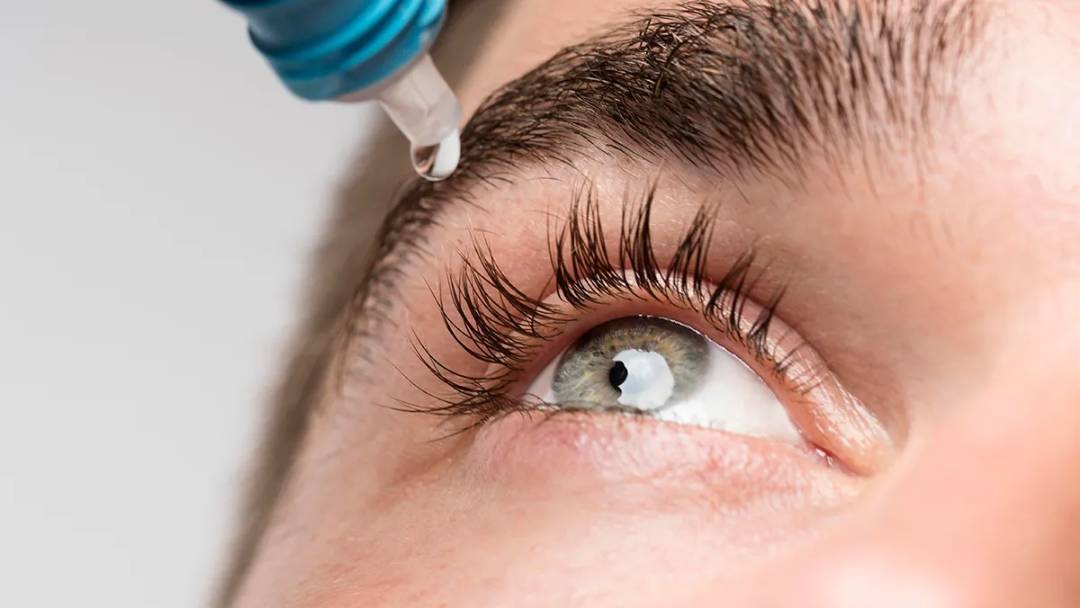
Prescription eye drops are often the first line of treatment to lower eye pressure.
Laser Treatment
Laser procedures improve fluid drainage and reduce eye pressure in selected cases.
Surgical Management
When medications and lasers are insufficient, glaucoma surgery may be recommended to create a new drainage pathway.
The choice of treatment depends on glaucoma type, severity, and patient-specific factors.
Long-Term Management and Monitoring
Glaucoma requires lifelong monitoring. Even after successful treatment, regular follow-ups are essential to ensure eye pressure remains controlled and vision is preserved.
Adhering to medications and scheduled eye exams is key to preventing disease progression.
Why Choose Luxor Hospital for Glaucoma Care?
Luxor Hospital offers:
-
Experienced ophthalmologists
-
Advanced glaucoma diagnostic equipment
-
Comprehensive treatment options
-
Personalized long-term care plans
-
Patient education and support
Our goal is to protect vision and improve quality of life.
Final Thoughts
Glaucoma is a silent but serious eye disease that demands early attention and consistent care. Awareness, routine eye check-ups, and timely treatment are the best defenses against vision loss.
If you or your family members are at risk, schedule a comprehensive eye examination at Luxor Hospital for early glaucoma detection and expert long-term vision care.