Hair Transplant for Patients with Diabetes - Safety and Success Factors
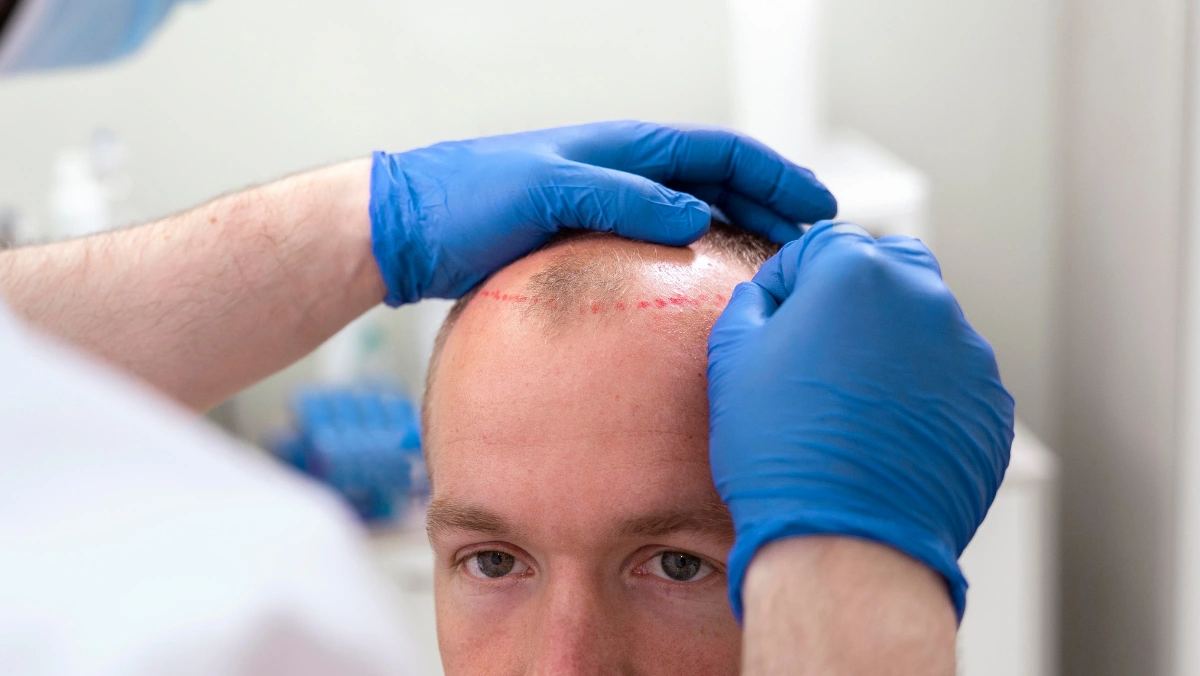
Hair Transplant for Patients with Diabetes - Safety and Success Factors
Introduction
Hair loss can affect confidence and self-esteem, leading many people to consider a hair transplant as a long-term solution. However, individuals with diabetes often wonder whether the procedure is safe for them and if their condition will affect the results. The good news is that many diabetic patients can successfully undergo a hair transplant with the right medical guidance and proper health management. Diabetes can influence wound healing, blood circulation, and the body's ability to fight infections. These factors make careful planning essential before any cosmetic procedure. Understanding the safety requirements, potential risks, and success factors can help diabetic patients make informed decisions about hair restoration.
What Is Hair Transplant for Patients with Diabetes?
A hair transplant is a minimally invasive procedure that moves healthy hair follicles from a donor area, usually the back or sides of the scalp, to areas experiencing hair loss. The most common techniques include Follicular Unit Extraction (FUE) and Follicular Unit Transplantation (FUT). For patients with diabetes, the procedure itself remains largely the same. The key difference lies in the pre-operative evaluation, blood sugar management, and post-operative care to reduce complications and support proper healing.
Causes / Reasons
People with diabetes may seek a hair transplant for several reasons, including:
- Male or female pattern baldness
- Age-related hair thinning
- Hair loss due to genetics
- Hairline recession
- Hair loss caused by previous injuries or surgeries
While diabetes itself does not always cause significant hair loss, uncontrolled blood sugar levels may contribute to thinning hair by affecting blood circulation and the hair growth cycle.
Symptoms / Signs
Before considering a hair transplant, diabetic patients should assess their overall health. Some signs that require medical attention include:
- Poorly controlled blood sugar levels
- Slow healing of cuts or wounds
- Frequent infections
- Numbness or poor circulation
- Unstable diabetes despite medication
These conditions should be managed before undergoing any surgical procedure.
Why It Happens / Why It Matters
Diabetes affects the body's ability to heal efficiently. Elevated blood sugar levels can reduce blood flow, slow tissue repair, and increase the risk of infection. Since a hair transplant involves creating tiny incisions in the scalp, healthy healing is essential for graft survival and successful hair growth. Patients with well-controlled diabetes generally experience outcomes similar to non-diabetic individuals. However, poorly managed diabetes can increase the likelihood of complications such as delayed healing, infection, and reduced graft survival. This is why a thorough medical assessment before surgery is extremely important.
Solutions / Treatment / Methods
A successful hair transplant for diabetic patients begins with careful preparation. Important steps include:
- Consult both your hair transplant surgeon and diabetes specialist.
- Ensure blood sugar levels are stable before the procedure.
- Undergo recommended blood tests and medical evaluations.
- Inform your surgeon about all medications you take.
- Follow all pre-operative and post-operative instructions carefully.
After the procedure:
- Keep the scalp clean as instructed.
- Avoid scratching or touching transplanted grafts.
- Take prescribed antibiotics or medications on time.
- Attend all follow-up appointments.
- Continue monitoring blood glucose levels regularly.
Good diabetes management significantly improves healing and transplant success.
Who Should Consider This?
A hair transplant may be suitable for diabetic patients who:
- Have well-controlled diabetes.
- Maintain stable blood sugar levels.
- Are in good overall health.
- Have sufficient donor hair.
- Receive medical clearance from their physician.
Patients with uncontrolled diabetes or severe diabetes-related complications may need to postpone treatment until their condition improves.
Results / Benefits / Outcome
When performed under proper medical supervision, diabetic patients can enjoy excellent hair transplant results. Benefits include:
- Natural-looking hair growth
- Permanent hair restoration
- Improved appearance
- Increased self-confidence
- Long-lasting results with proper care
Most patients begin noticing new hair growth within three to four months, while full results typically become visible after 9 to 12 months.
Tips / Prevention / Best Practices
To maximize hair transplant success:
- Maintain healthy blood sugar levels.
- Eat a balanced, nutrient-rich diet.
- Stay hydrated.
- Avoid smoking and excessive alcohol.
- Follow your surgeon's aftercare instructions.
- Protect the scalp from direct sunlight during healing.
- Attend regular follow-up visits.
A healthy lifestyle not only supports recovery but also contributes to long-term hair health.
Conclusion
A hair transplant for patients with diabetes can be both safe and successful when the condition is properly managed. Stable blood sugar levels, careful medical evaluation, and choosing an experienced hair transplant surgeon are the most important factors in achieving excellent results. If you have diabetes and are considering hair restoration, consult qualified medical professionals who can assess your health and create a personalized treatment plan. With the right preparation and aftercare, you can enjoy natural-looking hair growth while minimizing potential risks.