Hair Transplant Recovery - Do’s, Don’ts & Common Mistakes
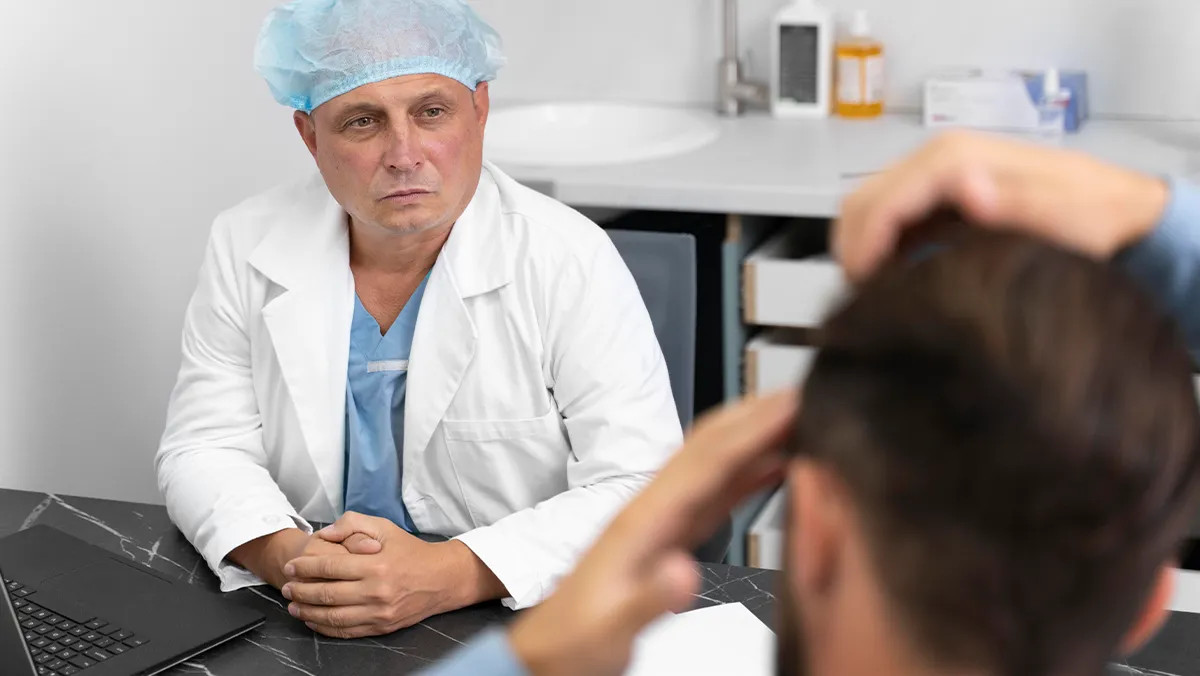
Hair Transplant Recovery - Do’s, Don’ts & Common Mistakes
Hair transplant surgery is a reliable and permanent solution for hair loss, but the success of the procedure does not depend on surgery alone. Proper recovery and aftercare play a crucial role in ensuring healthy graft survival and natural-looking results. Many patients unknowingly make mistakes during the recovery phase that can affect outcomes. At Luxor Hospital, patients are guided carefully through every stage of post–hair transplant care to achieve the best possible results.
This blog explains the do’s, don’ts, and common mistakes during hair transplant recovery.
Why Hair Transplant Recovery Is Important
After a hair transplant, newly implanted hair follicles are delicate and require time to settle into the scalp. The recovery phase allows:
- Secure graft attachment
- Healthy blood supply development
- Reduced risk of infection
- Proper hair growth cycle initiation
Ignoring post-operative instructions can lead to poor graft survival and uneven results.
Do’s After Hair Transplant Surgery
Follow Doctor’s Instructions
Always follow the aftercare guidelines provided by your surgeon, including medication use and scalp care routines.
Keep the Scalp Clean
Gentle washing, as advised by your doctor, helps prevent infection and promotes healing. Use only prescribed or recommended shampoos.
Sleep with Head Elevated
Keeping your head elevated for the first few nights reduces swelling and discomfort.
Stay Hydrated and Eat Well
Proper nutrition and hydration support healing and promote healthy hair growth.
Attend Follow-Up Visits
Regular follow-ups allow doctors to monitor progress and address concerns early.
Don’ts After Hair Transplant Surgery
Do Not Touch or Scratch the Grafts
Touching or scratching the transplanted area can dislodge grafts during the initial healing phase.
Avoid Strenuous Activities
Heavy exercise, gym workouts, swimming, and sweating should be avoided for at least 2–3 weeks.
Do Not Expose Scalp to Sun
Direct sun exposure can damage sensitive grafts. Wear a loose cap if advised by your doctor.
Avoid Smoking and Alcohol
Smoking and alcohol reduce blood flow and delay healing, negatively affecting hair growth.
Do Not Use Non-Prescribed Products
Avoid oils, chemicals, or hair products unless approved by your doctor.
Common Mistakes Patients Make
Expecting Immediate Hair Growth
Transplanted hair often sheds within the first few weeks. This is normal and temporary.
Panic During Shedding Phase
The shedding phase occurs before new hair growth begins. Permanent growth starts after a few months.
Ignoring Medications
Skipping prescribed medications can increase inflammation and slow recovery.
Comparing Results Too Early
Final hair transplant results take 9–12 months to become fully visible.
Understanding the hair growth timeline prevents unnecessary stress.
Hair Growth Timeline After Transplant
- 0–2 weeks: Healing and scab formation
- 2–4 weeks: Temporary shedding of transplanted hair
- 3–4 months: New hair growth begins
- 6 months: Visible improvement
- 9–12 months: Final results achieved
Patience and consistency are key.
Signs That Require Medical Attention
Contact your doctor if you notice:
- Excessive pain or swelling
- Persistent redness or discharge
- Signs of infection
- Sudden graft loss
Early intervention helps prevent complications.
Why Choose Luxor Hospital for Hair Transplant Care?
Luxor Hospital offers:
- Expert hair transplant surgeons
- Detailed post-operative care protocols
- Regular follow-up support
- Ethical guidance and realistic expectations
- Focus on long-term hair health
Our team ensures you are supported from surgery to final results.
Final Thoughts
Hair transplant surgery delivers excellent results when combined with proper recovery and aftercare. Understanding what to do—and what to avoid—helps protect your investment and ensures natural, long-lasting hair growth.
If you have recently undergone or are planning a hair transplant, consult the specialists at Luxor Hospital for expert guidance and complete post-operative care to achieve the best possible outcome.