Beard & Moustache Hair Transplant - Procedure & Results
Beard & Moustache Hair Transplant - Procedure & Results
A well-defined beard and moustache have become an important symbol of style, masculinity, and confidence. However, many men struggle with patchy beard growth, uneven density, or complete absence of facial hair due to genetics, hormonal factors, scars, or trauma. Beard and moustache hair transplant is a permanent and natural solution to restore facial hair density. At Luxor Hospital, beard transplants are performed using advanced techniques to deliver natural-looking and long-lasting results.
This blog explains the beard and moustache hair transplant procedure, expected results, and who can benefit from it.
What Is a Beard & Moustache Hair Transplant?
A beard and moustache hair transplant is a cosmetic procedure in which healthy hair follicles are taken from a donor area—usually the back of the scalp—and transplanted into areas of the face with poor or no hair growth. These transplanted follicles grow naturally, just like regular beard hair.
The procedure is customized to match facial hair direction, density, and pattern for realistic outcomes.
Common Reasons for Patchy Beard Growth
Men may seek beard transplantation due to:
-
Genetic inability to grow facial hair
-
Hormonal factors
-
Scars from acne, burns, or injuries
-
Uneven or asymmetrical beard growth
-
Desire for a fuller or styled beard look
A proper medical evaluation helps determine the cause and suitability for transplantation.
Beard & Moustache Transplant Procedure
At Luxor Hospital, beard transplants are usually performed using the FUE (Follicular Unit Extraction) technique.
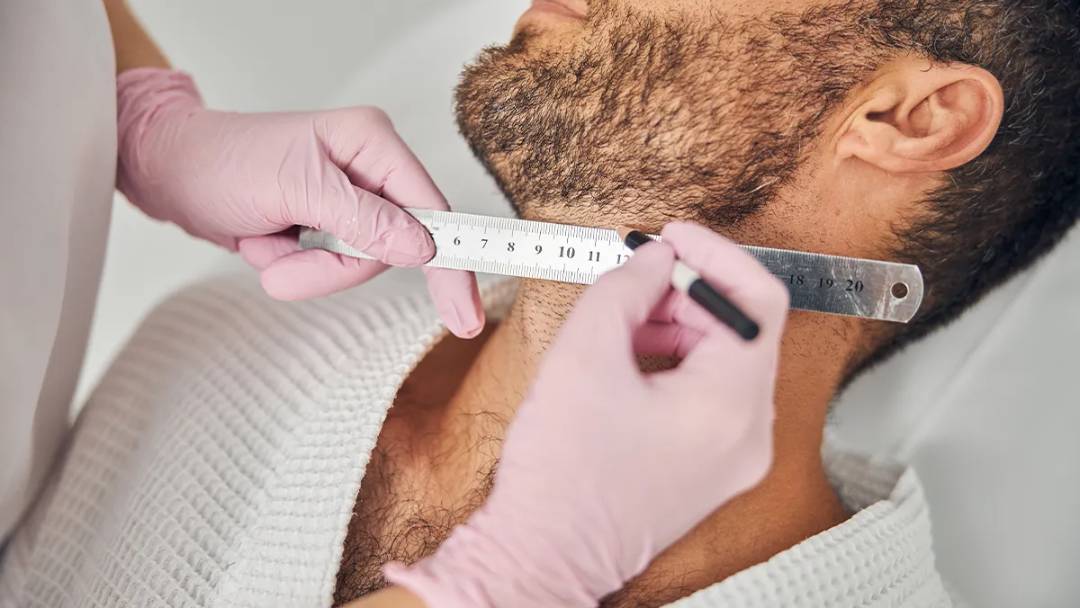
Step 1: Consultation and Planning
The surgeon designs the beard shape and density based on facial structure, preferences, and natural hair patterns.
Step 2: Donor Hair Extraction
Individual hair follicles are extracted carefully from the donor area using micro-punch tools.
Step 3: Implantation
The follicles are implanted into the beard or moustache area at precise angles and directions to mimic natural hair growth.
The procedure is done under local anesthesia and typically takes several hours, depending on the number of grafts.
Recovery After Beard Transplant
Recovery is generally smooth and manageable:
-
Mild swelling or redness may occur for a few days
-
Small scabs form and fall off naturally within a week
-
Patients can resume normal activities within a few days
Proper aftercare ensures good graft survival and healing.
Beard Transplant Results Timeline
-
First 2–4 weeks: Transplanted hair sheds (normal phase)
-
3–4 months: New beard hair begins to grow
-
6 months: Noticeable improvement in density
-
9–12 months: Full, permanent results visible
Once grown, the beard can be shaved, trimmed, and styled normally.
Who Is an Ideal Candidate?
Ideal candidates for beard and moustache transplant include men who:
-
Have adequate donor hair
-
Are in good general health
-
Have realistic expectations
-
Want permanent facial hair restoration
A consultation helps confirm candidacy and plan treatment accurately.
Why Choose Luxor Hospital for Beard Transplant?
Luxor Hospital offers:
-
Experienced hair transplant surgeons
-
Advanced FUE techniques
-
Natural beard design planning
-
Strict hygiene and safety protocols
-
Personalized care and follow-up
Our focus is on natural density, symmetry, and long-term satisfaction.
Final Thoughts
Beard and moustache hair transplant is a safe, effective, and permanent solution for men seeking fuller and more defined facial hair. With expert planning and precise execution, results look natural and blend seamlessly with existing hair.
If patchy beard growth is affecting your confidence, consult the specialists at Luxor Hospital to explore beard and moustache hair transplant options tailored to your goals.