Pediatric Cataracts - Why Early Surgery Matters
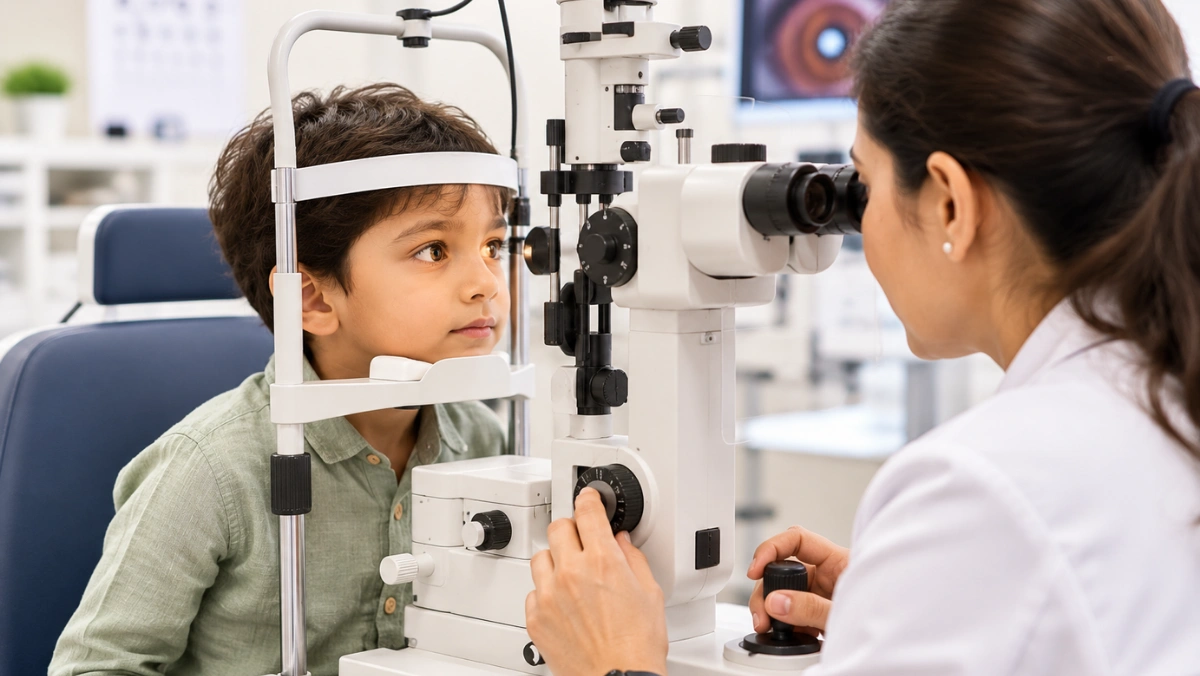
Pediatric Cataracts - Why Early Surgery Matters
Introduction
Cataracts are often associated with aging, but they can also occur in infants and children. A pediatric cataract is a clouding of the eye's natural lens that can interfere with normal vision development. If left untreated, it may lead to permanent vision problems, including amblyopia (lazy eye), making early diagnosis and treatment essential. Unlike adult cataracts, pediatric cataracts require prompt attention because a child's visual system is still developing. Timely surgery and proper follow-up care can significantly improve a child's vision and support healthy visual development.
What Are Pediatric Cataracts?
A pediatric cataract is a partial or complete clouding of the eye's lens in babies, children, or adolescents. The condition may affect one eye (unilateral cataract) or both eyes (bilateral cataracts). Some children are born with cataracts (congenital cataracts), while others develop them later in childhood due to injury, illness, or other medical conditions.
Causes / Reasons
Pediatric cataracts may develop due to:
- Genetic or inherited conditions
- Congenital infections during pregnancy
- Metabolic disorders
- Eye injuries or trauma
- Certain medications
- Inflammatory eye diseases
- Unknown causes (idiopathic)
In many cases, especially congenital cataracts, no specific cause is identified.
Symptoms / Signs
Parents should watch for signs such as:
- White or gray appearance in the pupil
- Poor eye contact in infants
- Difficulty focusing on objects
- Wandering or misaligned eyes (strabismus)
- Frequent eye movements (nystagmus)
- Sensitivity to light
- Blurred or reduced vision
Routine pediatric eye examinations can help detect cataracts even before obvious symptoms appear.
Why It Happens / Why It Matters
A clear lens is necessary for light to reach the retina and stimulate normal vision development. When a cataract blocks light during early childhood, the brain may not receive clear visual signals. If treatment is delayed, the child may develop:
- Amblyopia (lazy eye)
- Permanent vision impairment
- Delayed visual development
- Poor depth perception
- Learning and developmental challenges related to reduced vision
Because the first few years of life are critical for visual development, early intervention is extremely important.
Solutions / Treatment / Methods
The primary treatment for significant pediatric cataracts is surgery. The treatment process usually includes:
- Comprehensive eye examination
- Assessment of the cataract's severity
- Surgical removal of the cloudy lens
- Placement of an intraocular lens (IOL) in suitable cases or use of contact
lenses/glasses after surgery
- Regular follow-up visits to monitor healing and vision development
After surgery, additional treatment may include:
- Prescription glasses or contact lenses
- Eye patch therapy for amblyopia
- Vision rehabilitation
- Regular eye examinations to monitor progress
Successful treatment depends not only on surgery but also on consistent post-operative care.
Who Should Consider This?
Children should be evaluated by a pediatric ophthalmologist if they:
- Have a white reflection in the eye
- Fail newborn vision screening
- Show delayed visual responses
- Have a family history of congenital cataracts
- Experience reduced vision after an eye injury
Early assessment ensures timely treatment and improves long-term visual outcomes.
Results / Benefits / Outcome
When diagnosed and treated early, pediatric cataract surgery can offer:
- Improved vision
- Healthy visual development
- Reduced risk of permanent vision loss
- Better eye coordination
- Improved learning and daily activities
- Enhanced quality of life
Long-term success depends on early surgery, regular follow-up, and adherence to the recommended treatment plan.
Tips / Prevention / Best Practices
To support your child's eye health:
- Attend all newborn and pediatric vision screenings.
- Seek immediate evaluation if you notice a white pupil or unusual eye appearance.
- Follow the ophthalmologist's post-operative instructions carefully.
- Ensure your child wears prescribed glasses or contact lenses.
- Continue regular follow-up visits throughout childhood.
- Encourage protective eyewear during sports and recreational activities.
Consistent monitoring helps ensure the best possible visual development.
Conclusion
Pediatric cataracts are a treatable condition, but early diagnosis and surgery are essential to protect a child's developing vision. Delaying treatment can result in permanent visual impairment, while prompt intervention offers the best chance for healthy eyesight and normal visual development. If you notice any signs of vision problems in your child, consult a pediatric ophthalmologist as soon as possible. Early care can make a lifelong difference in your child's vision and overall quality of life.