Pediatric Eye Problems - Warning Signs Parents Should Know
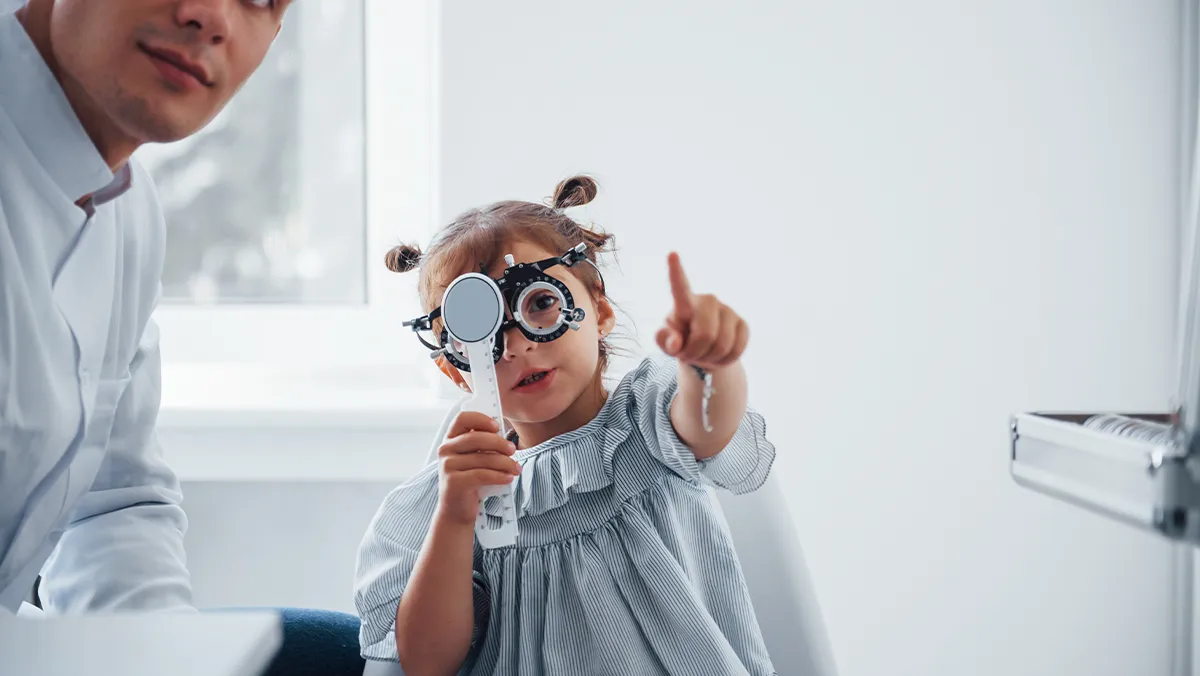
Pediatric Eye Problems - Warning Signs Parents Should Know
Children rely heavily on good vision for learning, development, and overall growth. Many eye problems begin in childhood, and if left undetected, they can lead to permanent vision impairment. Unfortunately, children may not always express vision difficulties clearly, making early detection challenging. At Luxor Hospital, pediatric eye care focuses on early diagnosis, timely treatment, and long-term visual health to ensure children achieve their full potential.
This blog highlights common pediatric eye problems and the warning signs parents should watch for.
Why Eye Health Is Important in Children
Vision plays a crucial role in a child’s physical, cognitive, and social development. Nearly 80% of learning in early years happens through visual input. Undiagnosed eye issues can affect:
- Reading and writing skills
- Academic performance
- Hand–eye coordination
- Confidence and behavior
Early eye examinations help identify problems before they impact development.
Common Pediatric Eye Problems
Refractive Errors
These include nearsightedness, farsightedness, and astigmatism. Children with refractive errors may struggle to see the board in class or read books clearly.
Lazy Eye (Amblyopia)
Amblyopia occurs when one eye does not develop normal vision due to poor visual input during early childhood. If untreated, it can lead to permanent vision loss in the affected eye.
Squint Eye (Strabismus)
In strabismus, the eyes are misaligned and do not work together. One eye may turn inward, outward, upward, or downward.
Eye Infections
Conditions such as conjunctivitis are common in children and can spread easily if not treated promptly.
Congenital Eye Conditions
Some children are born with eye conditions such as cataracts, glaucoma, or eyelid abnormalities that require early medical attention.
Warning Signs Parents Should Watch For
Parents play a vital role in identifying early eye problems. Warning signs include:
- Frequent eye rubbing
- Excessive blinking
- Squinting or closing one eye
- Head tilting while looking at objects
- Sitting too close to the TV or holding books very close
- Poor academic performance
- Complaints of headaches or eye strain
- Eyes that appear misaligned
- Sensitivity to light
- Excessive tearing or redness
Any of these signs warrant a comprehensive eye examination.
When Should Children Have Eye Exams?
Regular eye check-ups are essential, even if no symptoms are present:
- At birth: Screening for congenital eye conditions
- At 6 months to 1 year: Basic eye health assessment
- At 3–4 years: Vision and eye alignment testing
- Before school entry: Complete eye examination
- School years: Periodic check-ups or if symptoms arise
Early screening allows timely intervention.
How Pediatric Eye Problems Are Diagnosed
At Luxor Hospital, pediatric eye evaluation includes:
- Vision testing appropriate for the child’s age
- Eye alignment and movement assessment
- Refraction testing
- Examination of eye structures
- Specialized tests if needed
The approach is child-friendly and designed to keep young patients comfortable.
Treatment Options for Pediatric Eye Problems
Treatment depends on the specific condition and severity:
- Glasses: Correct refractive errors and improve vision
- Patching therapy: Strengthens the weaker eye in lazy eye
- Eye exercises: Improve eye coordination in selected cases
- Medications: Treat infections or inflammation
- Surgery: Correct squint eye or congenital abnormalities when required
Early treatment significantly improves outcomes.
Importance of Early Intervention
Children’s visual systems are still developing. Treating eye problems during this critical period:
- Prevents permanent vision loss
- Improves binocular vision and depth perception
- Supports academic success
- Enhances overall quality of life
Delayed treatment may reduce effectiveness.
Why Choose Luxor Hospital for Pediatric Eye Care?
Luxor Hospital offers:
- Experienced pediatric ophthalmologists
- Child-friendly examination environment
- Advanced diagnostic equipment
- Comprehensive treatment options
- Long-term vision monitoring and care
Our goal is to protect and nurture healthy vision from an early age.
Final Thoughts
Pediatric eye problems are common but highly treatable when detected early. Parents who remain alert to warning signs and prioritize regular eye check-ups can make a lasting difference in their child’s visual health.
If you notice any vision-related concerns in your child, consult the eye specialists at Luxor Hospital for early evaluation and expert pediatric eye care designed to support lifelong healthy vision.