Uveitis & Eye Inflammation - Latest Medical Treatment Approaches
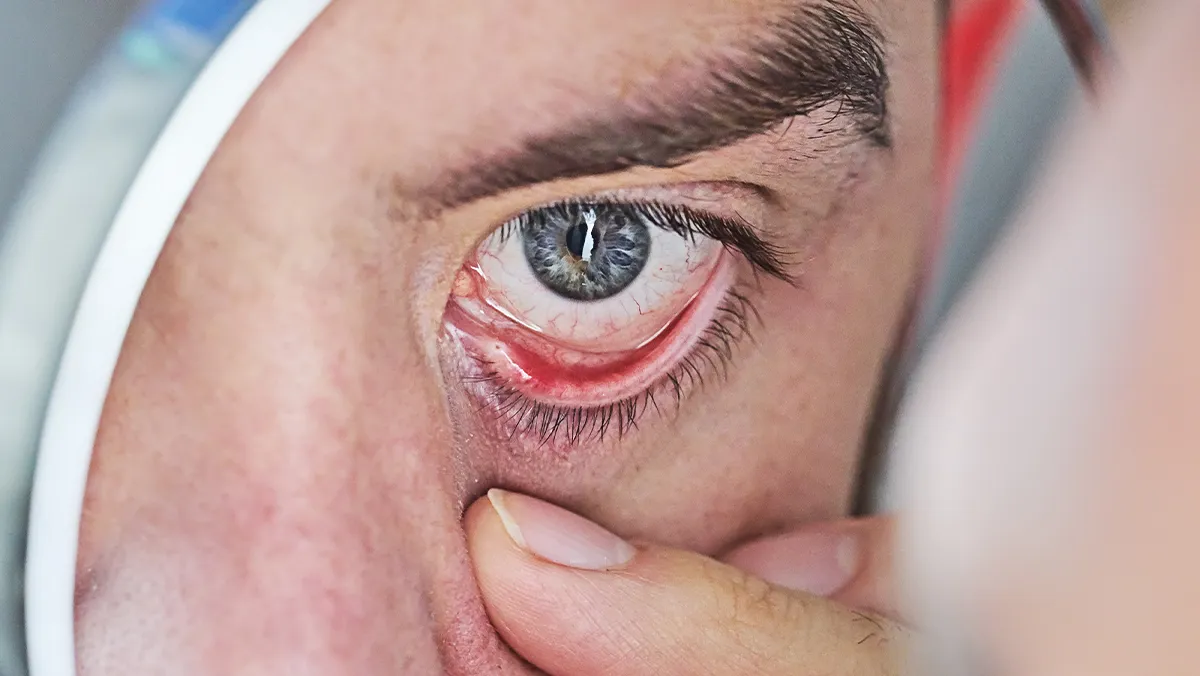
Uveitis & Eye Inflammation - Latest Medical Treatment Approaches
Eye inflammation can significantly affect vision and overall eye health if not diagnosed and treated on time. Uveitis is one of the most serious forms of eye inflammation and can occur at any age. It may develop suddenly or progress gradually, sometimes without obvious symptoms in the early stages. At Luxor Hospital, uveitis and eye inflammation are managed with advanced diagnostic tools and evidence-based medical treatments to protect vision and prevent long-term complications.
This blog explains what uveitis is, its causes, symptoms, and the latest medical treatment approaches.
What Is Uveitis?
Uveitis is inflammation of the uvea, the middle layer of the eye that includes the iris, ciliary body, and choroid. Depending on which part is affected, uveitis is classified as:
- Anterior uveitis (front of the eye)
- Intermediate uveitis (middle portion)
- Posterior uveitis (back of the eye)
- Panuveitis (entire uveal tract)
Uveitis can affect one or both eyes and may be acute or chronic.
Causes of Uveitis and Eye Inflammation
Uveitis can occur due to various underlying conditions, including:
- Autoimmune diseases such as rheumatoid arthritis or ankylosing spondylitis
- Infections caused by bacteria, viruses, or parasites
- Eye injuries or trauma
- Inflammatory disorders
- Certain systemic diseases
- In some cases, the cause remains unknown
Identifying the underlying cause is essential for effective treatment and prevention of recurrence.
Common Symptoms of Uveitis
Symptoms may vary depending on the type and severity but often include:
- Eye redness
- Eye pain or discomfort
- Blurred vision
- Sensitivity to light
- Floaters in vision
- Reduced visual clarity
Any of these symptoms require immediate evaluation by an eye specialist.
Importance of Early Diagnosis
Delayed treatment of uveitis can lead to serious complications such as:
- Cataracts
- Glaucoma
- Retinal damage
- Permanent vision loss
Early diagnosis allows prompt treatment, reduces inflammation, and preserves vision.
Diagnostic Evaluation at Luxor Hospital
At Luxor Hospital, uveitis diagnosis includes:
- Detailed eye examination
- Slit-lamp evaluation
- Fundus examination
- Imaging tests when required
- Blood tests or systemic evaluation to identify underlying causes
This comprehensive approach ensures accurate diagnosis and targeted treatment.
Latest Medical Treatment Approaches
Anti-Inflammatory Medications
Steroid eye drops, oral medications, or injections are commonly used to control inflammation quickly.
Immunomodulatory Therapy
For chronic or severe uveitis, immunosuppressive medications may be prescribed to control immune-related inflammation safely.
Antimicrobial Treatment
If infection is identified as the cause, appropriate antiviral, antibacterial, or antiparasitic medications are used.
Advanced Drug Delivery
In certain cases, targeted intraocular injections or implants help deliver medication directly to the affected area for better control.
Long-Term Management and Follow-Up
Uveitis often requires ongoing monitoring to prevent flare-ups and complications. Regular follow-up visits, medication adjustments, and coordination with other medical specialists are essential for long-term eye health.
Why Choose Luxor Hospital for Uveitis Treatment?
Luxor Hospital offers:
- Experienced ophthalmologists
- Advanced diagnostic facilities
- Multidisciplinary medical collaboration
- Personalized treatment plans
- Long-term monitoring and care
Our focus is on preserving vision and preventing recurrence.
Final Thoughts
Uveitis is a serious eye condition that requires prompt medical attention and specialized care. With early diagnosis and modern treatment approaches, inflammation can be controlled effectively, reducing the risk of vision loss.
If you experience persistent eye redness, pain, or blurred vision, consult the eye specialists at Luxor Hospital for timely evaluation and advanced treatment of uveitis and eye inflammation.